How Much Does a Septic Inspection Cost in Texas?
One national cost guide puts septic inspections at $200 to $900, with routine annual checks costing less. Another lists $150 to $450 for an inspection during regular maintenance. The same guide puts a septic inspection when buying a house at $300 to $650.
One guide says the type of inspection you need has a big effect on the cost. A routine check on a system you already own sits near the bottom of the range. A full inspection for a home sale sits higher. Pumping the tank is usually billed on top of a basic inspection.
These are market numbers, not our price list. TCEQ does not require an inspection at a sale, but the LCRA has its own step around Lake Travis.
What does each type of septic inspection cost?
Two national cost guides break the price down by the kind of inspection. Treat the table as the shape of the market.
| Type of inspection | Published range |
|---|---|
| Inspection for regular maintenance | $150 to $450 |
| Annual maintenance inspection (a visual check and a dye test) | $200 to $250 |
| Septic inspection when buying a house | $300 to $650 |
| Detailed inspection, with pumping and measuring | $400 to $700 |
| All septic inspections, one guide’s full range | $200 to $900 |
| Septic tank pumping, usually extra on a basic inspection | $295 to $610 |
| Camera inspection, from a company that runs one | $125 to $500 |
The guide with the $400 to $700 detailed inspection ties it to home purchases or emergencies. It adds pumping, measuring and extra tests to the visual check.
Our septic inspection covers the tank and the field. We check the lids, baffles and tees, and look for signs the tank is not holding water. We measure the sludge and scum levels and check the ground over the drainfield. Where the system has a pump, we check the pump, the floats and the alarm.
You get a written report with photos, emailed as a PDF. It spells out what needs attention now, what can wait and what is fine.
Is pumping included in the price of a septic inspection?
Usually not on a basic inspection. One national guide says most companies charge separately for pumping the tank before a basic or visual inspection. A full inspection typically includes pumping. That guide prices septic tank pumping at $295 to $610.
The same guide adds a warning: never let anyone inspect the system without pumping the tank first. Our real estate inspections are done with the tank pumped. A meaningful inspection requires seeing the tank empty.
A routine inspection on a system you already own answers a different question. There, the sludge and scum levels are the point. Measuring them is the real answer to “do I need pumping yet.”
When the tank is due, septic tank pumping is work we do with our own vacuum pump truck. Our guide to septic tank pumping cost has the market numbers for a pump-out.
What moves the price of a septic inspection?
These are the factors national cost guides name, plus one the EPA adds.
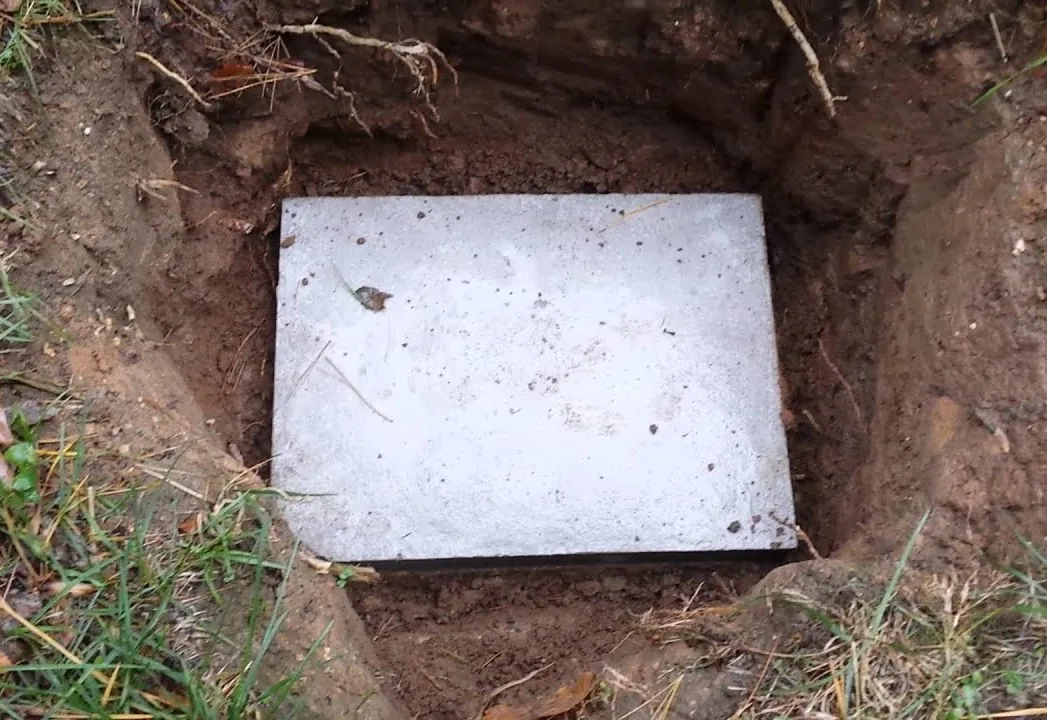
Buried lids. One guide says some septic companies charge extra to dig up the septic tank cover. Reaching the tank may take digging when there are no risers at the surface. Septic tank risers bring the lids up to grade, with no more digging at every pump-out.
A tank nobody can find. Another guide says a tank that is hard to reach or find can carry extra fees. It suggests marking the covers so later visits go easier. When nobody knows where the tank is, septic tank locating comes first. We start at the sewer cleanout and probe from there. We also pull the OSSF permit record, which often includes a site drawing.
Tank size and depth. One guide says inspection costs increase for larger or deeper tanks.
Steep or hard-to-reach ground. The same guide says prices rise for systems on steep slopes or in hard-to-reach spots.
A lighter inspection. A visual inspection or dye test costs less than a full inspection, that guide says. It may not detect all problems.
The system type. The EPA says alternative systems with float switches, pumps or mechanical parts should be inspected more often. It says generally once a year, and calls a service contract important for them. In Texas, TCEQ says the maintenance contract must be with a licensed maintenance provider. We pump aerobic systems, and a licensed maintenance provider handles the contract.
Does Texas require a septic inspection when a house sells?
TCEQ does not. It says a mortgage company may require an evaluation of the septic system before a sale. That type of evaluation is not required or regulated by TCEQ.
Buying a house on septic? Our real estate septic inspection runs on a transaction timeline. Our guide to septic inspections when buying a house covers the option period and the lender side.
What does a septic reinspection cost around Lake Travis?
The Lower Colorado River Authority (LCRA) permits septic systems in Jonestown, Lago Vista, Volente and the zones around Lake Travis. It runs a process it calls approval for continued use.
The LCRA fee schedule lists $150 for a reinspection of a single-family home. That fee covers transfers of ownership, sales, repairs and refinancings. A complete application includes a copy of the Multiple Listing Service (MLS) listing. An LCRA inspector does the visit.
The LCRA says approvals are valid for six months from the date of issue. A change in ownership more than six months after the last approval needs a new application, fee and inspection. The $150 is the LCRA’s own fee, separate from any pumping or private inspection you book.
How often should a septic system be inspected?
The EPA says a household septic system should be inspected at least every three years by a septic service professional. It adds that household tanks are typically pumped every three to five years. TCEQ recommends the same three to five years for pumping a conventional system.
On a conventional system, that puts a routine inspection on the calendar at least once every three years. The measured levels tell you when the tank is due, before an overdue tank pushes solids into the field. Our guide to septic tank maintenance in Texas covers the habits between visits.
How do you get a quote for a septic inspection?
Published ranges show the market. Your own number depends on the kind of inspection and whether the tank gets pumped. Lid depth and access matter too.
We quote the inspection before any work begins. The quoted price is the price you pay for the quoted scope. If something else turns up once the tank is open, you get an explanation and a separate quote. Nothing happens without your OK.
Bravo Septic is based in Leander. We work Williamson County, north and northwest Travis County and the north shore of Lake Travis. See our septic inspections page, or call (512) 887-4458.