Who permits a septic system in Hutto?
Williamson County handles it. The Williamson County Engineer's Office is the authorized agent for the on-site sewage facility program. Hutto has no separate city septic program. A Hutto address goes to the county, inside the city limits or out in the ETJ.
That matters once the work goes past pumping. A permit is required to build, alter, repair or extend a system. The county takes applications online through MyGovernmentOnline and no longer accepts paper. Emergency repairs, like a tank lid or an outlet device, are reported in writing within 72 hours.
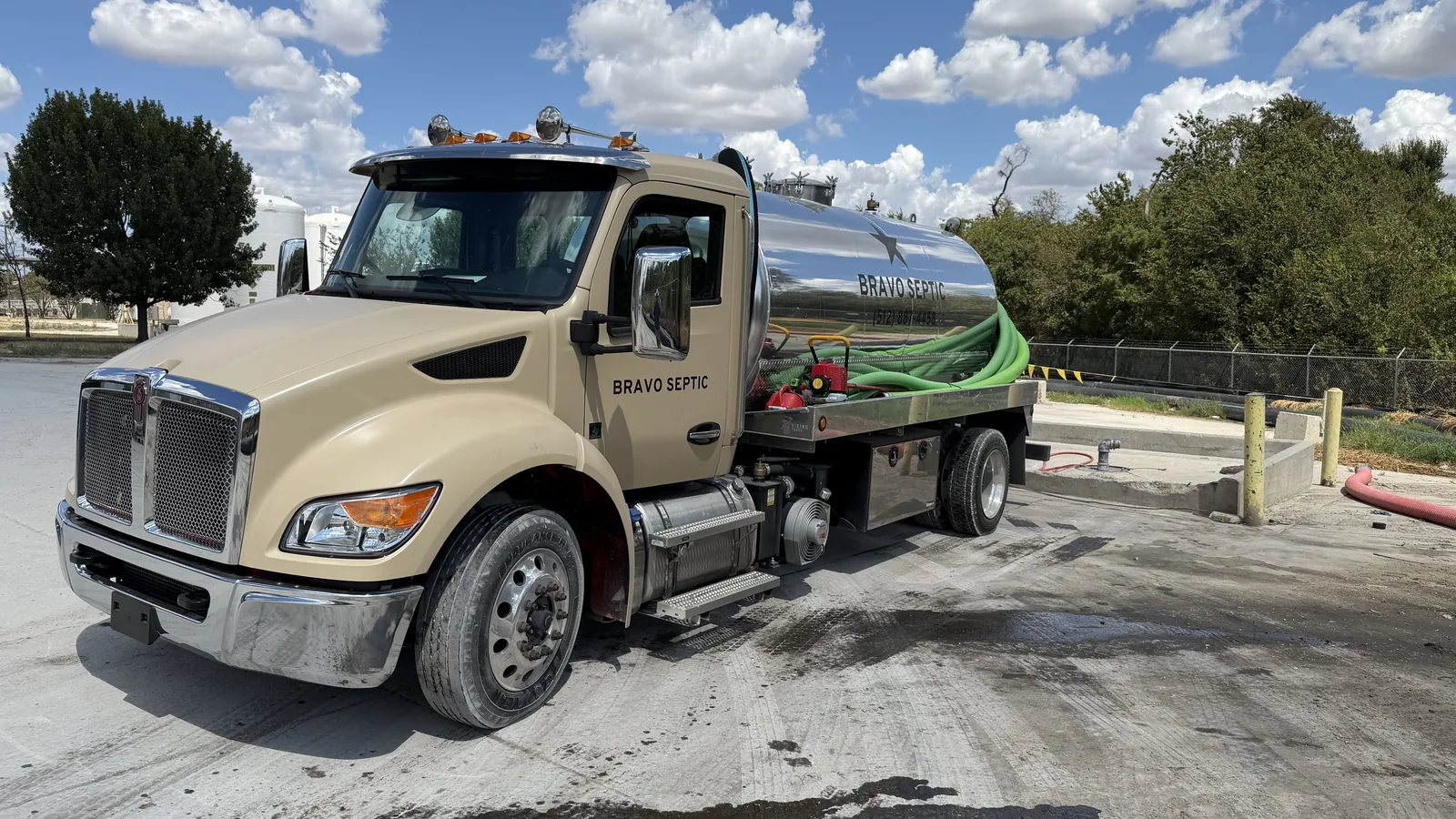
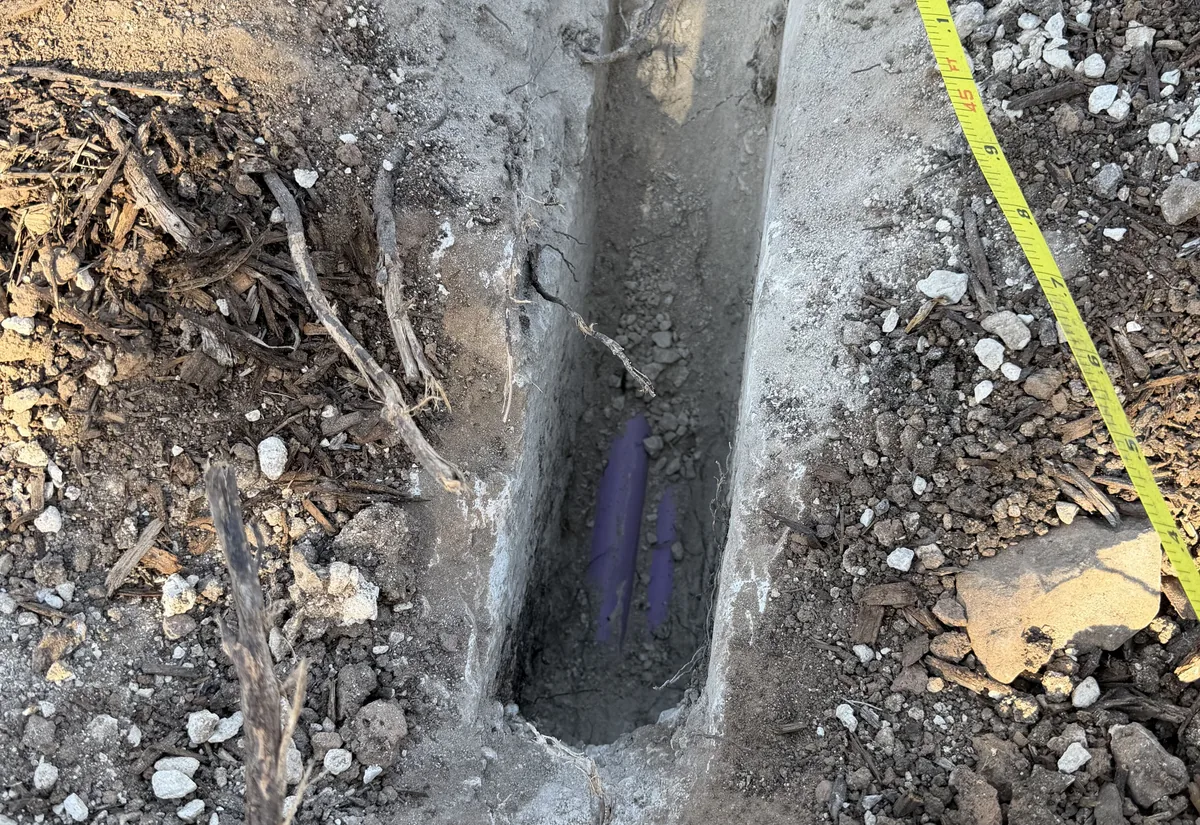
Pumping a tank is maintenance, not construction. Texas requires a registered hauler for the tank contents, and we are a TCEQ-registered sludge transporter. The county permit file usually holds a site drawing of the tank and field. When nobody knows where the lids are, we locate the tank from the sewer cleanout.
What the blackland clay does to a Hutto septic system
East of I-35 the ground changes. The Balcones Escarpment splits Williamson County, and the soils east of it are dark blackland clay. Water moves in fast when the ground is dry and cracked, and very slowly once it is wet. The cracks run half an inch to four inches wide and stay open 90 to 150 days.
A drainfield in that ground has to be bigger to move the same water. Texas rates the slowest clay soils at about a tenth of a gallon per square foot per day. Sandy ground is rated at more than five times that. Texas A&M AgriLife Extension says only nonstandard drain fields can be used in clay.
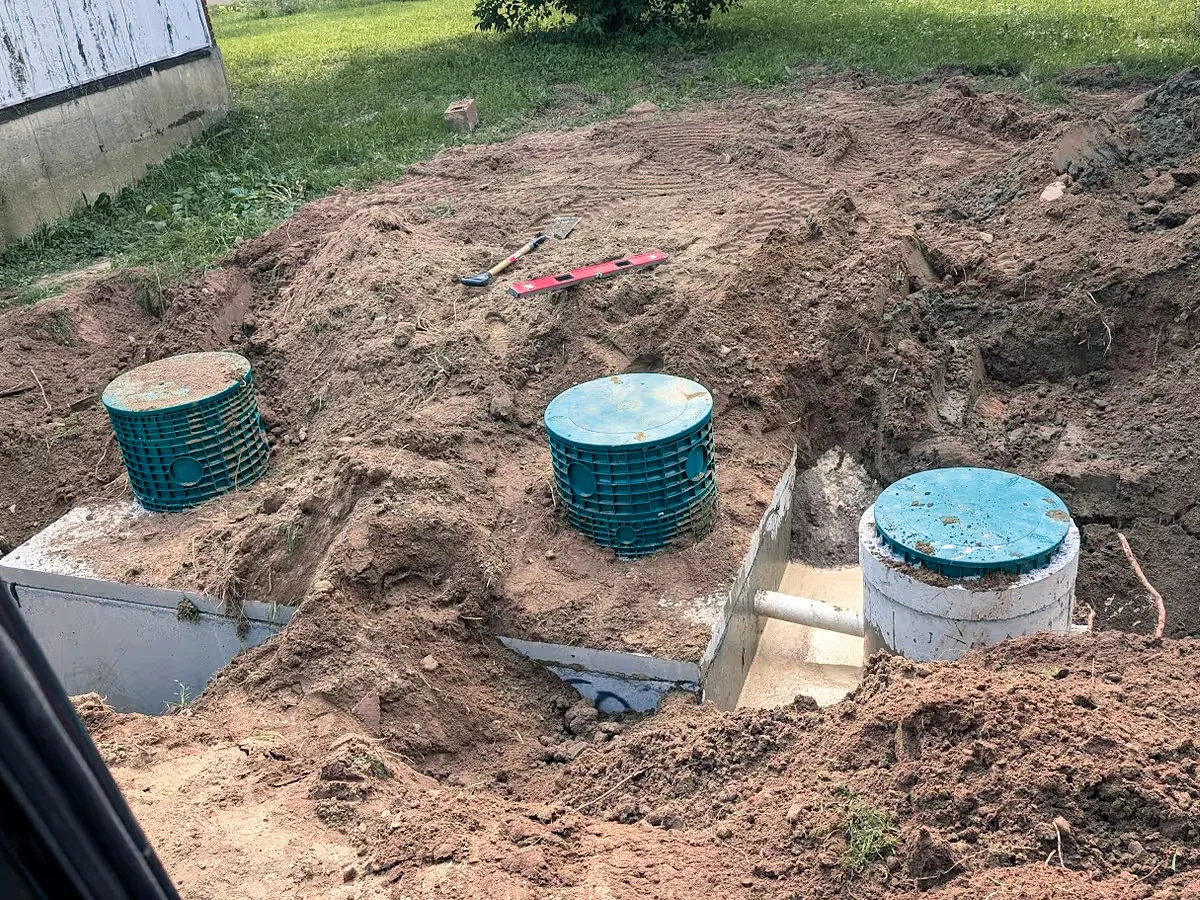
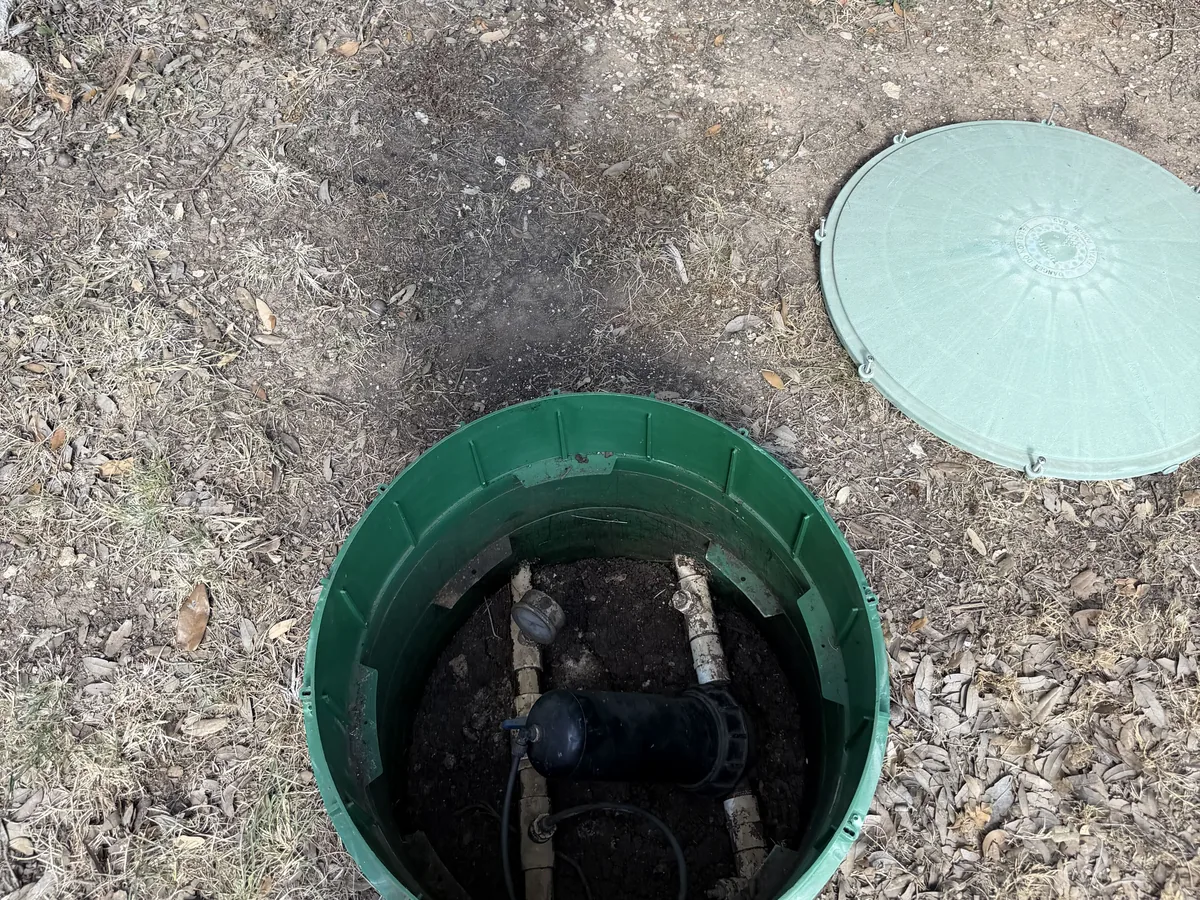
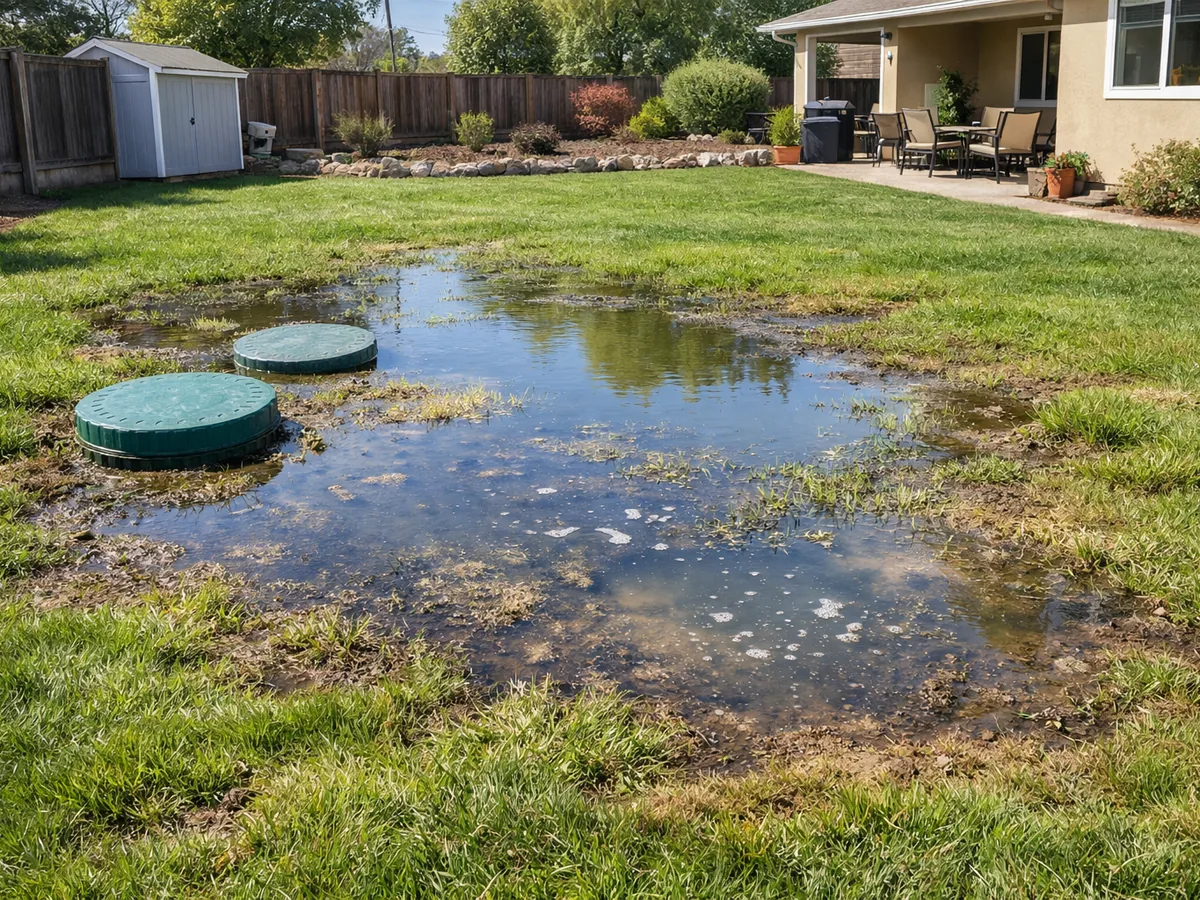
So a lot of Hutto systems are aerobic units with spray heads, and we pump those too. Of 490 new septic systems Williamson County authorized in 2025, 17 used a standard trench or bed field. Routine maintenance on an aerobic unit belongs to a licensed maintenance provider. After a wet week the clay stops taking water, and wet ground over the field points to drain field repair.
Septic tanks in a town that grew this fast
Hutto started as a railroad stop in 1876 and grew into a cotton market. German, Danish and Swedish farmers worked the ground around it. The city now puts the population at 40,275 inside the limits and 55,070 across the Hutto ETJ. It counted 1,012 new homes in 2024.
Inside the city, the sewer takes the waste. Out on the county roads, the tank in the yard does. Texas sets minimum lot sizes for new septic subdivisions. It is half an acre on a public water supply, and a full acre without one.
Buyers out here often have no record of the tank, and some of these systems are decades old. A septic permit transfers with the property when it sells, and the county file holds the history. A real estate septic inspection in the option period gets the tank pumped and looked at before closing.
What a pump-out looks like on a Hutto property
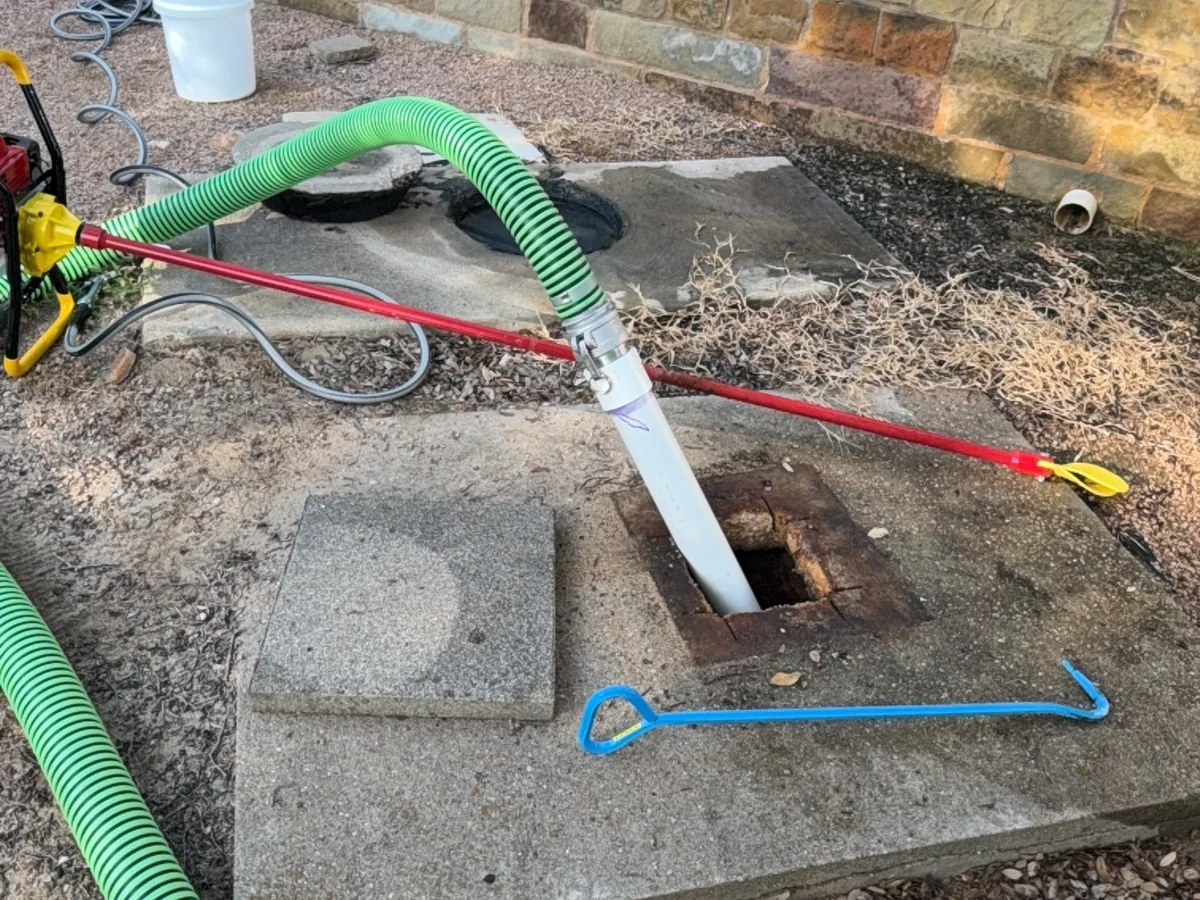
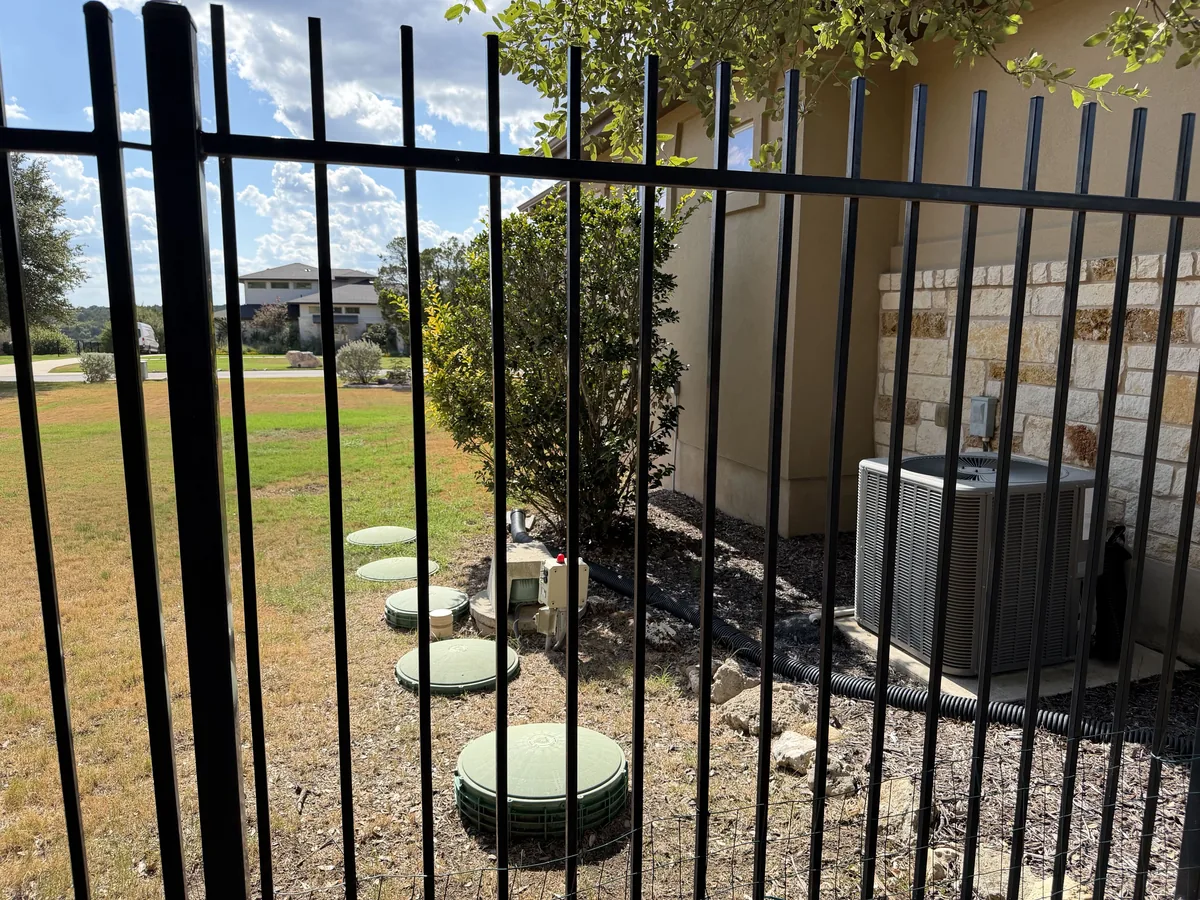
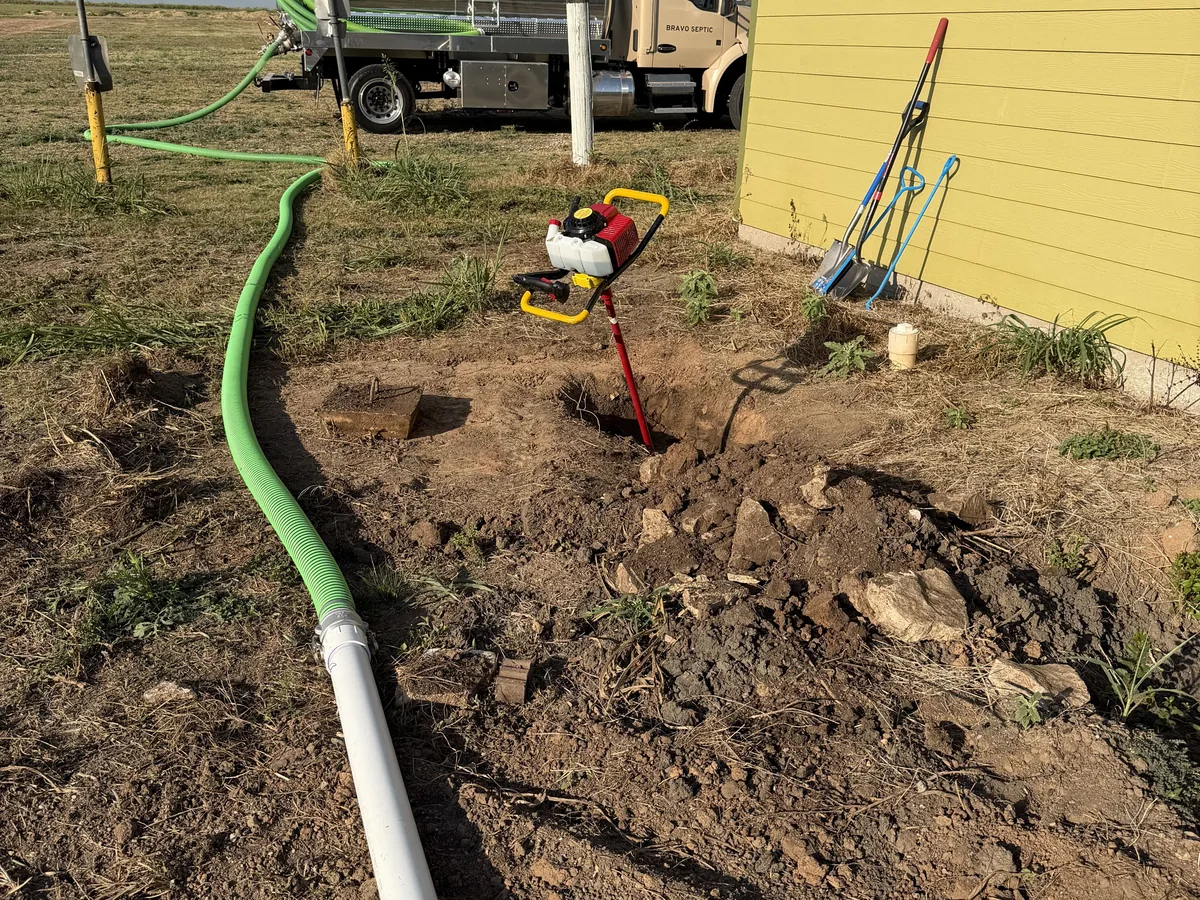
We come over from Leander on SH 45 and SH 130 and into town on US 79. On a county road place, the first job is often finding the lids. Blackland clay moves with the weather, and a lid buried under grass means digging at every visit. Putting in risers and a secure lid while the tank is already open ends that.
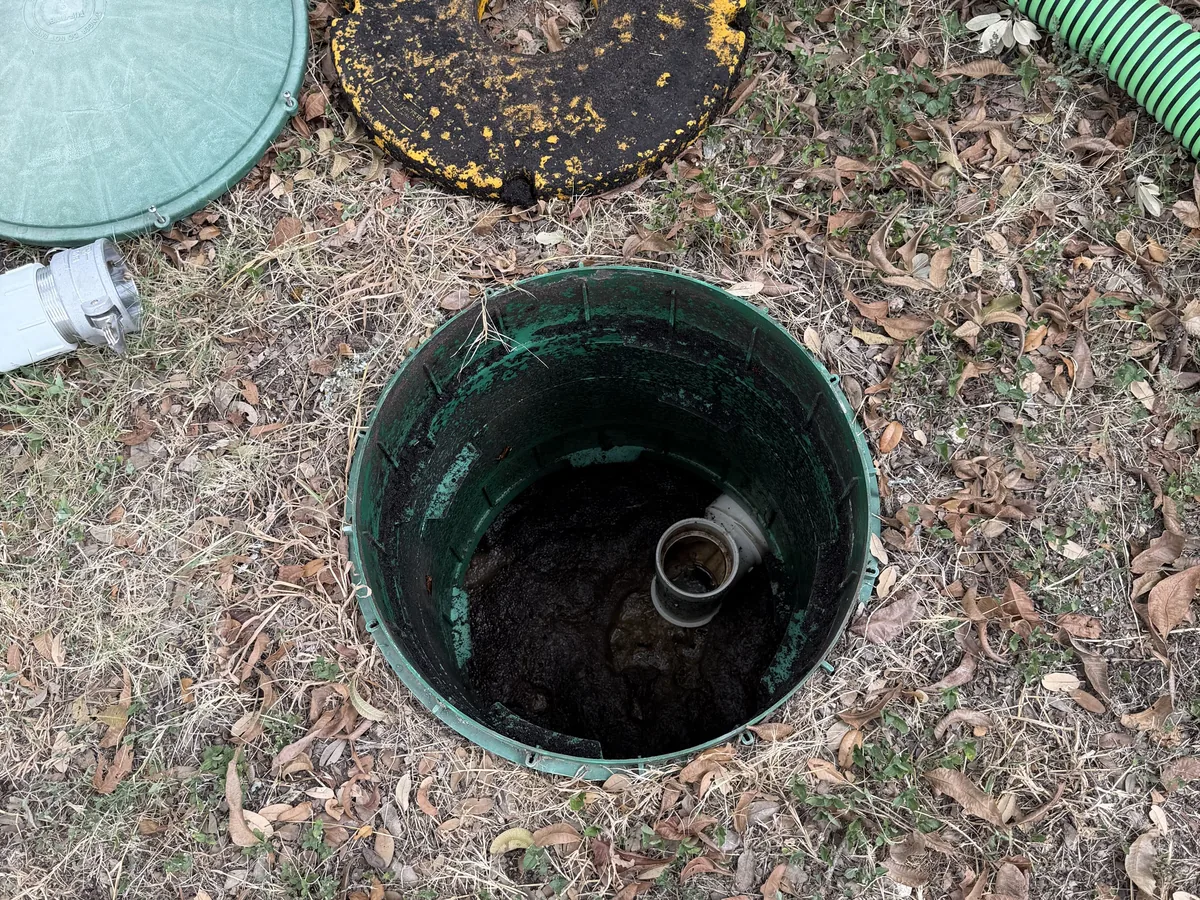
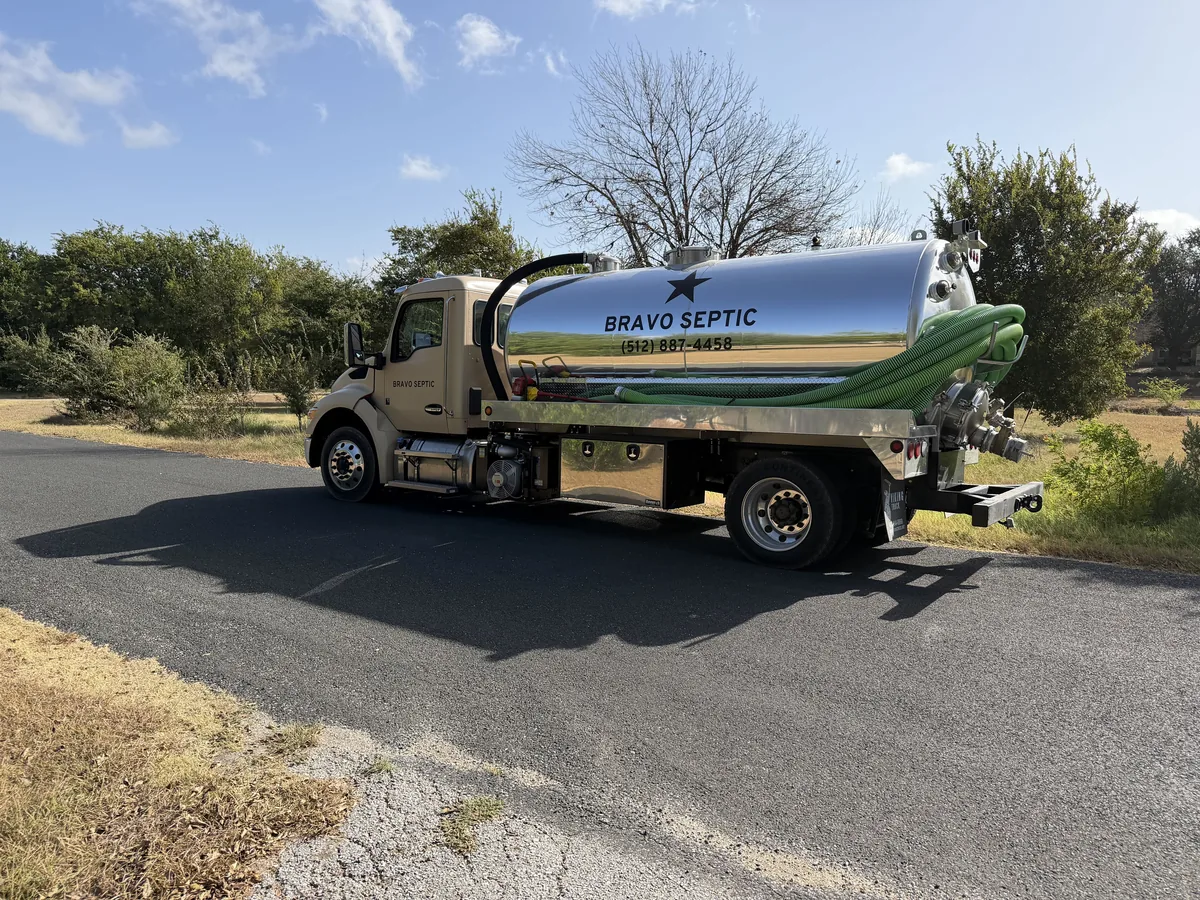
Then the truck goes to work. Every compartment gets pumped, and the effluent filter gets cleaned if the tank has one. We look at the baffles and the outlet while the tank is empty. You get photos of the inside of the tank and a plain rundown of its condition.
We reseal the lids and leave the site the way we found it. You get a quote before any work begins, and the quoted price is the price you pay. If something else turns up once the tank is open, you get a separate quote first. Appointments are confirmed by text, and we are licensed and insured.
Communities and areas we serve around Hutto: The Hutto ETJ, FM 1660, FM 685, FM 3349, Limmer Loop, Chandler Road, County Road 100, County Road 101, County Road 119, County Road 132, County Road 133, County Road 137.
Hutto ZIP codes served: 78634.