Who permits a septic system in Bee Cave?
Inside the city limits, the city does. TCEQ's lookup of local permitting agents lists the City of Bee Cave for its city limits. It is one of five Travis County cities with their own septic program. The others are Austin, West Lake Hills, Mustang Ridge and Rollingwood.
The city's building official enforces those rules. The city's permit list names septic system installation or repair as work that needs a permit. Applications go through MyGovernmentOnline, the city's permitting site. TCEQ's septic (OSSF) rules are on the city's list of adopted building codes, and updates carry over automatically.
Outside the city limits, in the city's extraterritorial jurisdiction, city rules cover water quality, platting, signs and nuisances only. There, Travis County or the LCRA permits a septic system, depending on the address. The LCRA's part is the restricted and water quality zones of Lake Travis. The city's own HOA list puts Lake Pointe and Spanish Oaks outside the city limits.
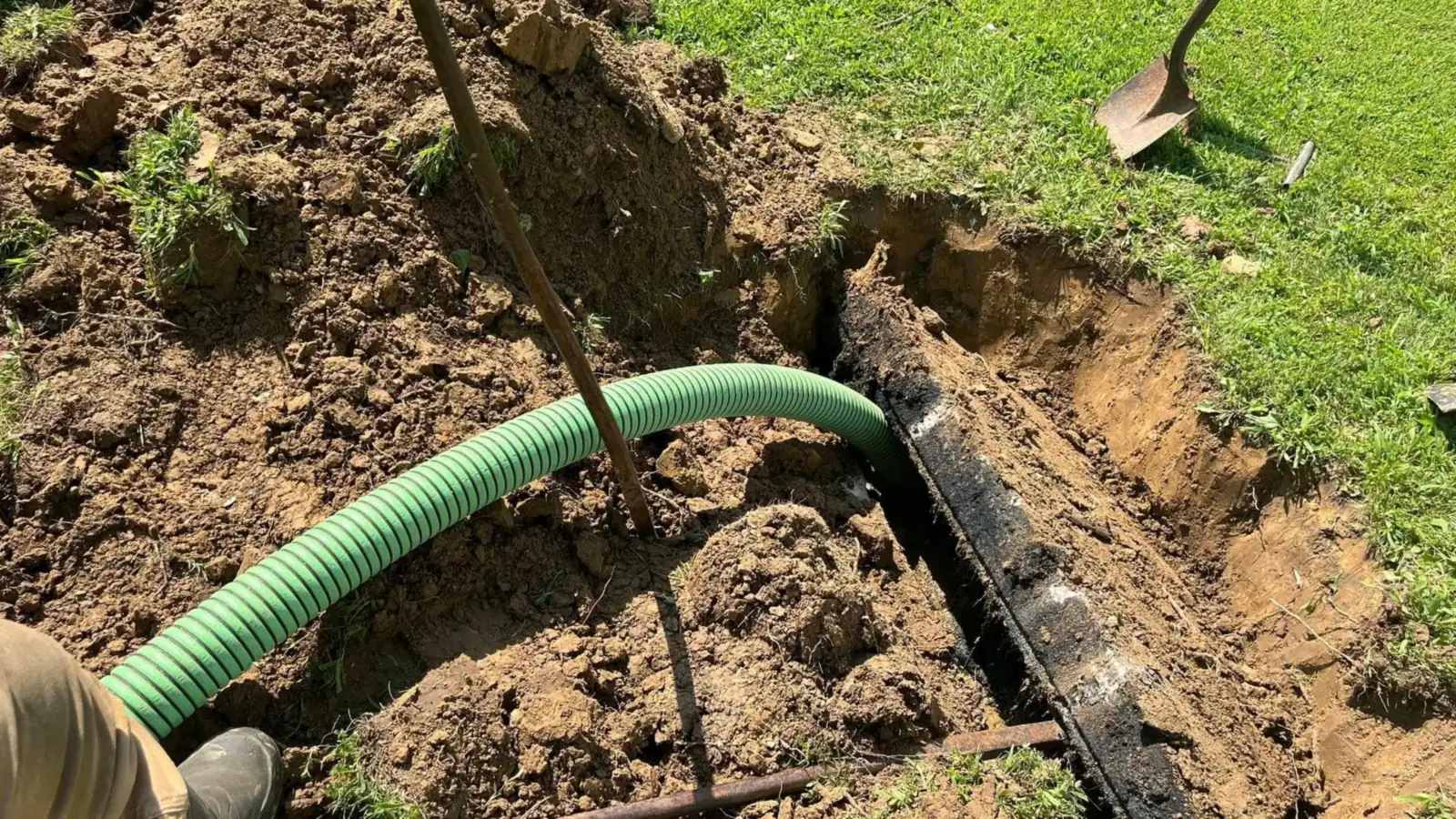
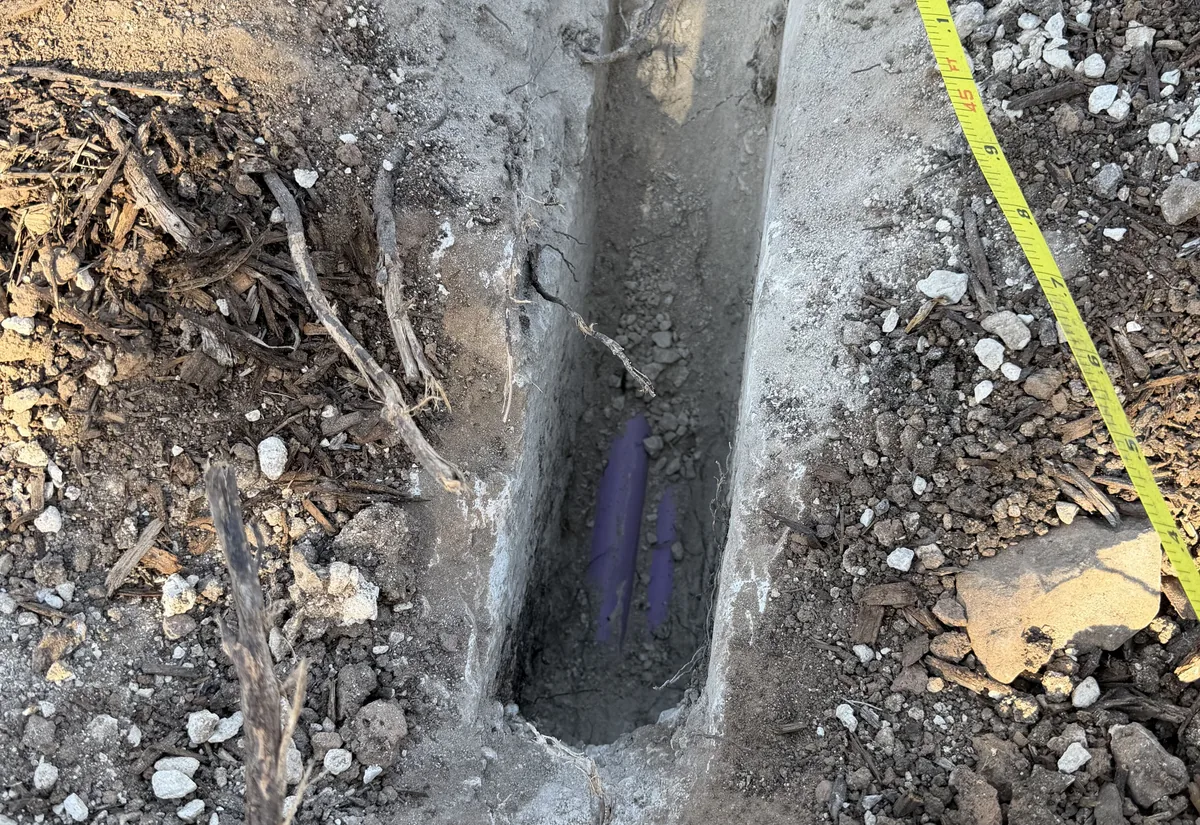
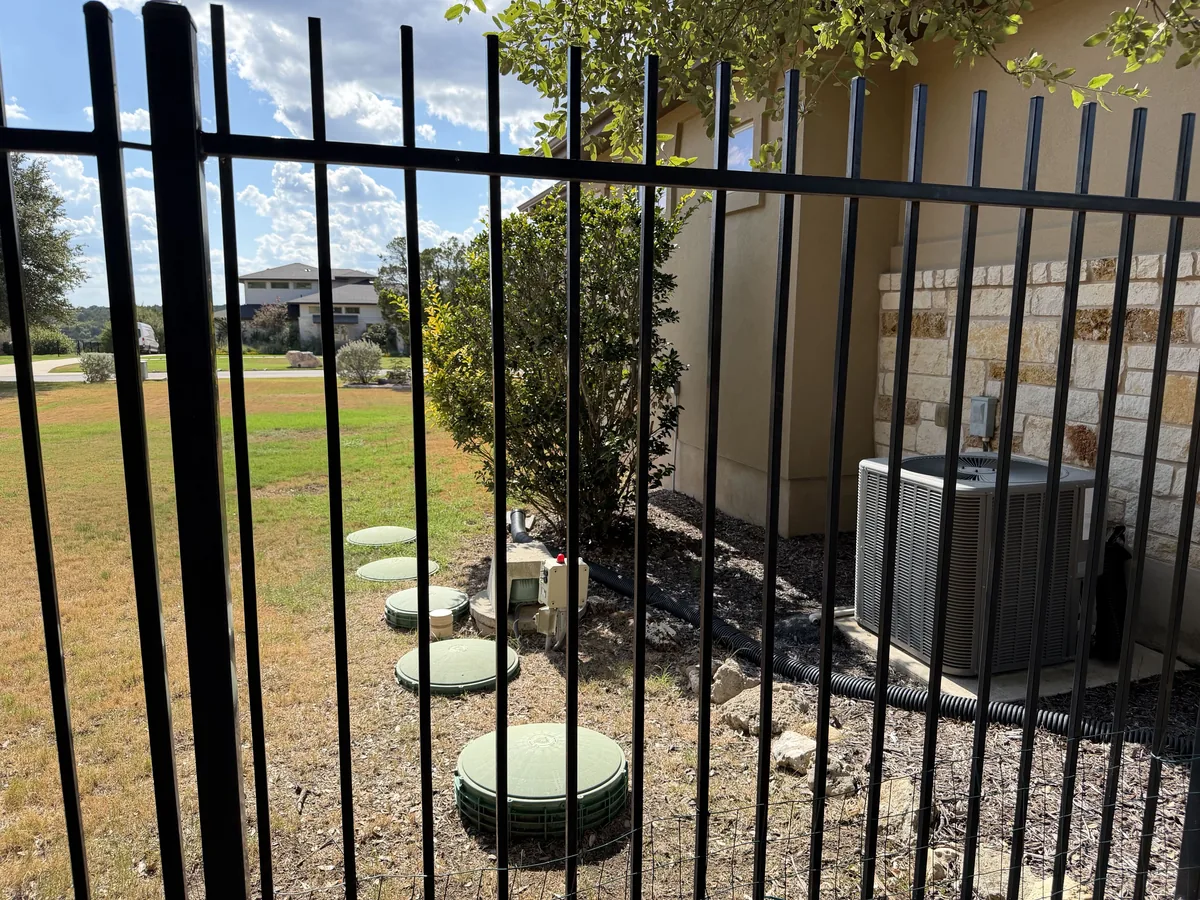
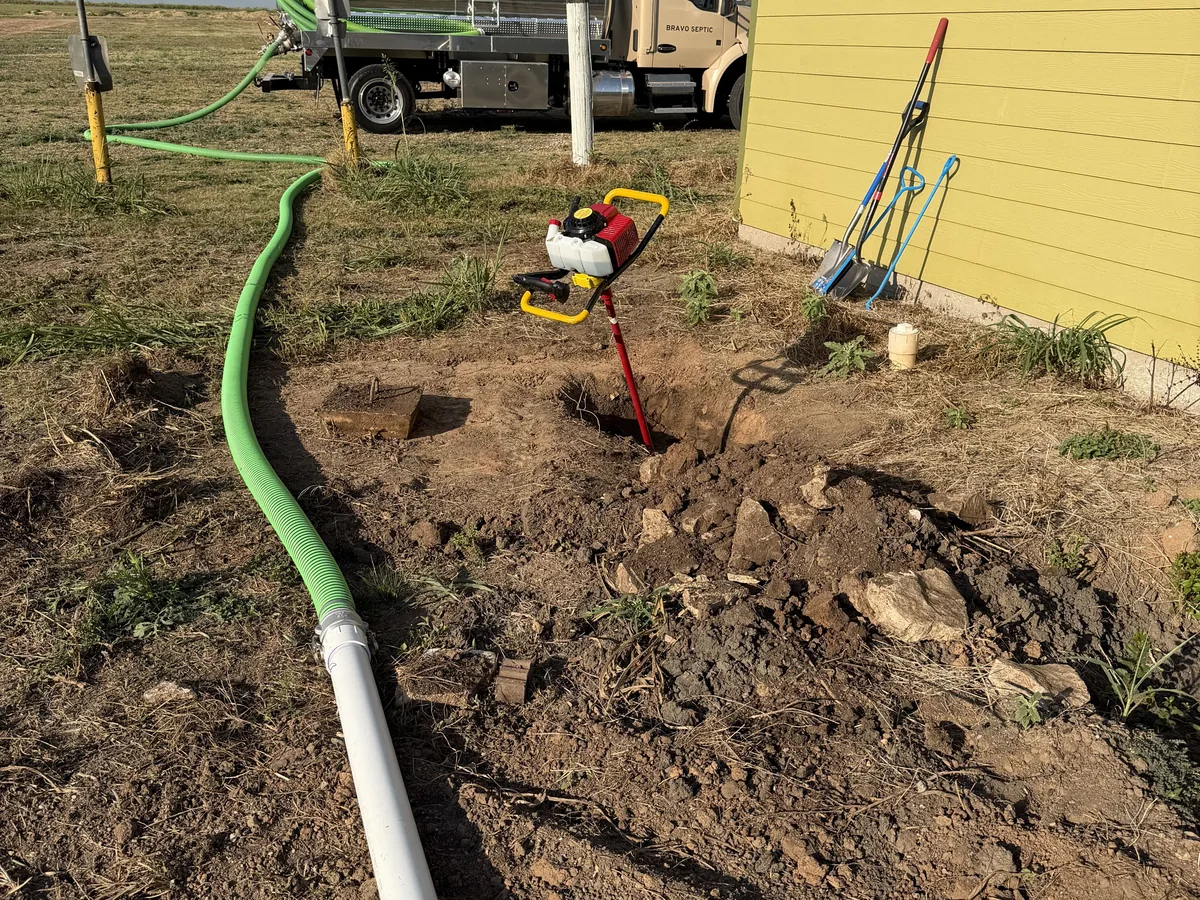
Repairs inside the city limits go under a city permit where the work needs one. Septic repair starts with a diagnosis of the actual problem, then a quote before any work begins. We fix lids, risers, baffles, tees and the lines between the house, the tank and the field.
How do Bee Cave's clay and rock affect a septic system?
At Bee Cave's center and half a mile north and west, the USDA soil survey maps a silty clay loam. It is rated very limited for a septic drainfield because of its high clay. Half a mile east, and a mile north, south and west, the survey maps Brackett soils with bare rock outcrop. Rock outcrop makes up a fifth of that map unit.
Under the Brackett soil, soft bedrock starts about 18 inches down. Half a mile south, on slopes of 8 to 30 percent, it starts about 14 inches down. Every rated soil at every sampled point comes back very limited for a drainfield, for high clay or shallow bedrock.
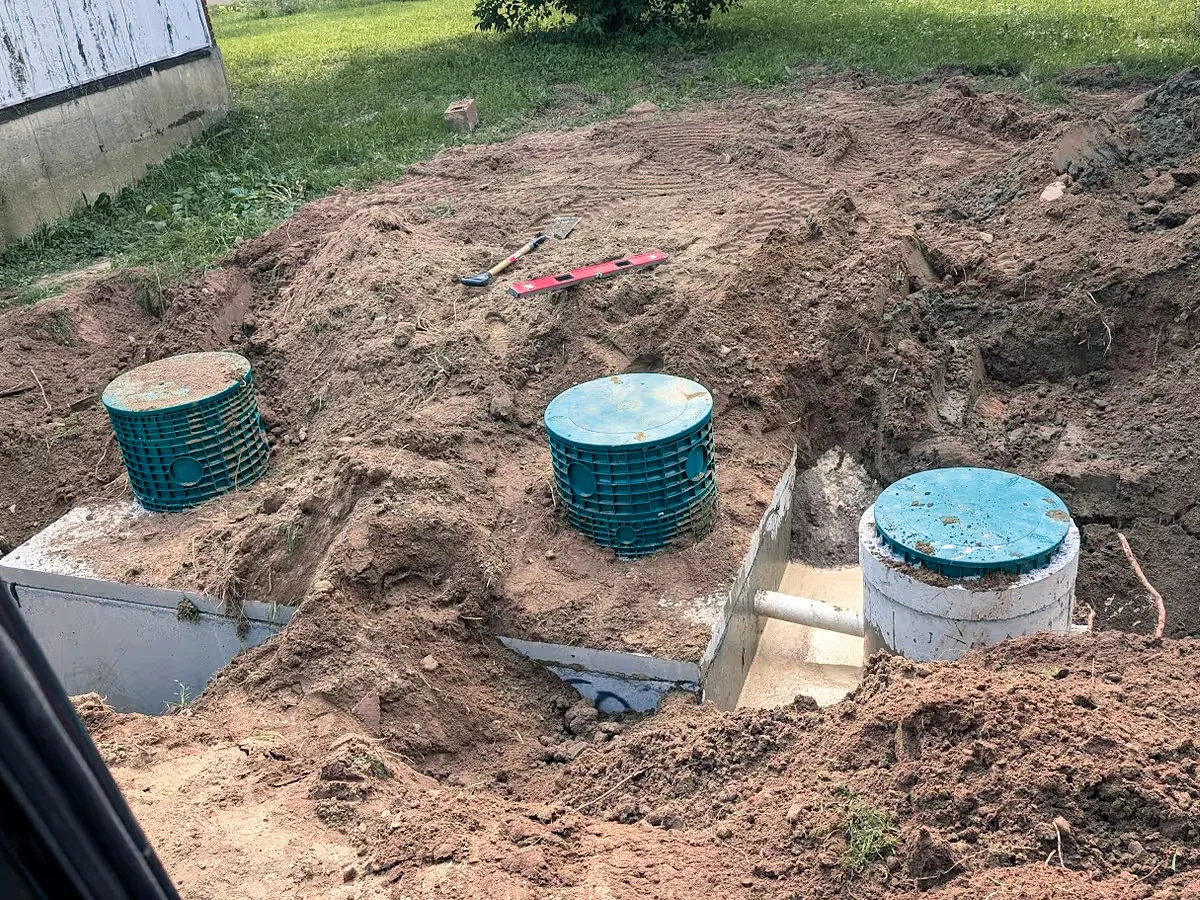
New systems are few, and they are not standard ones. TCEQ's 2025 report shows the city authorized 2 new septic systems that year, both drip systems. In the LCRA's Travis County zones, 78 of 124 were drip and 1 was a standard trench or bed. Drip and aerobic installs take an installer licensed for non-standard systems, a TCEQ Installer II.
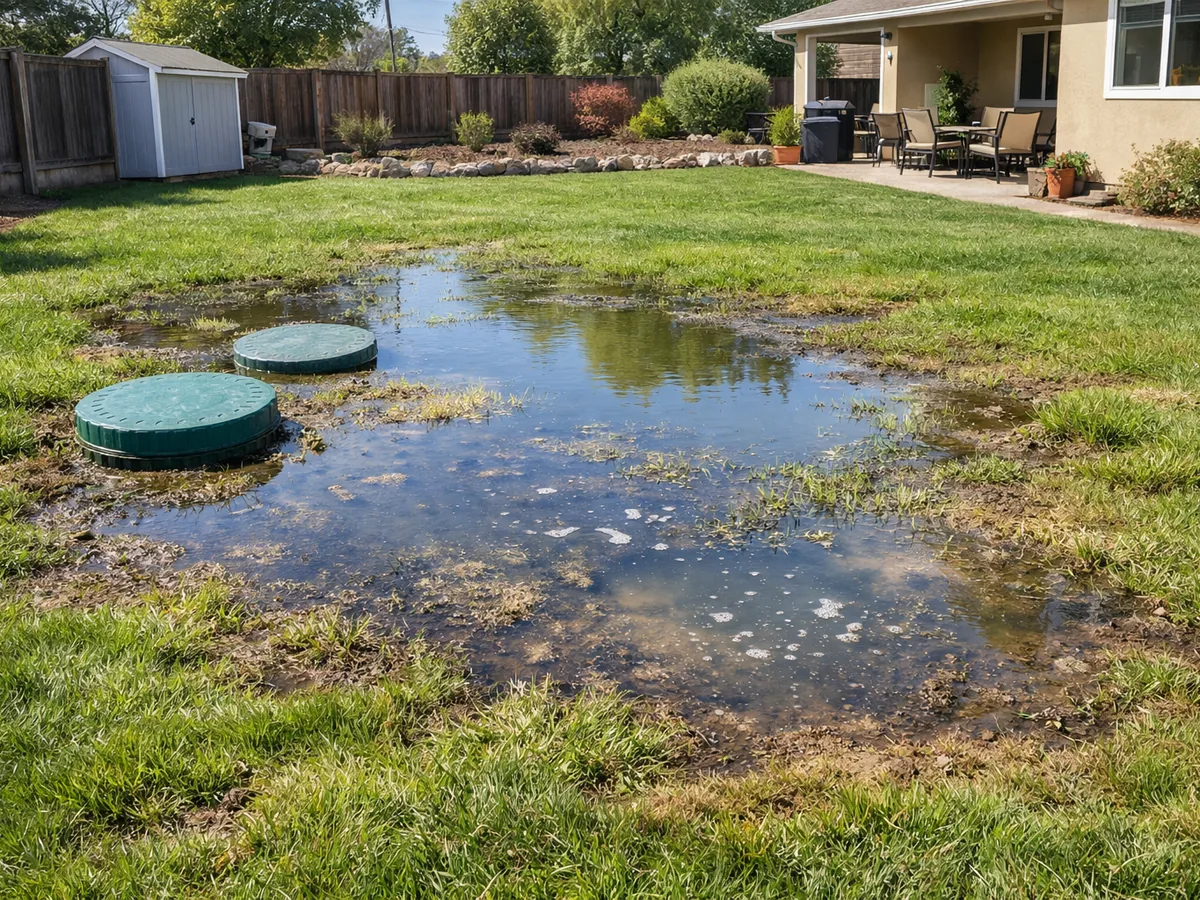
Our work on Bee Cave systems is pumping, inspections and repairs of standard parts. On a conventional drainfield, drain field repair starts with finding out why the field is wet. There are three usual suspects. The tank is overdue and pushed solids into the field, water use outran the field, or the field is failing.
Septic tank pumping for aerobic and drip systems in Bee Cave
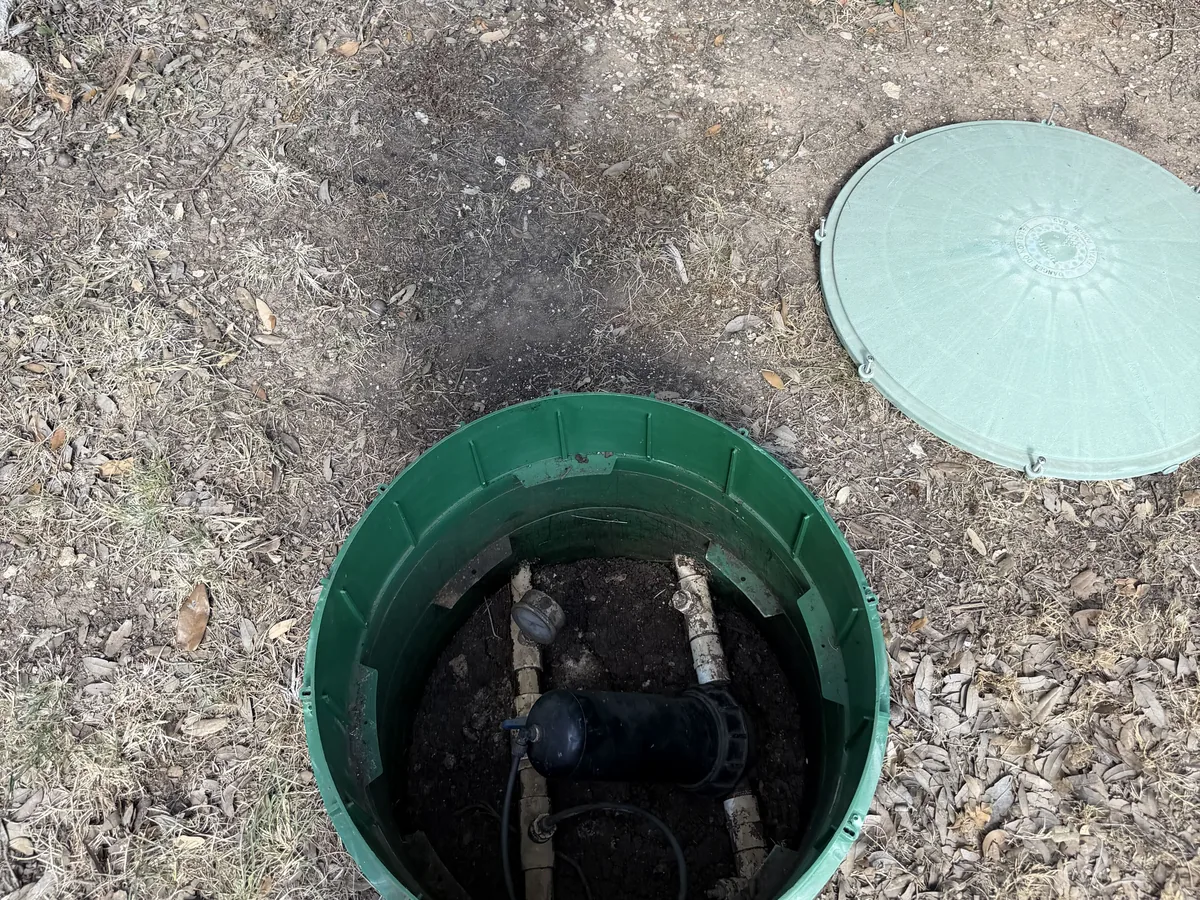
Bee Cave's ordinance requires a maintenance contract for aerobic treatment units and drip emitter systems. The same goes for filtration systems and any system that uses pumps or siphons, such as low-pressure dosing. The owner signs that contract with a maintenance company before a license to operate is issued.
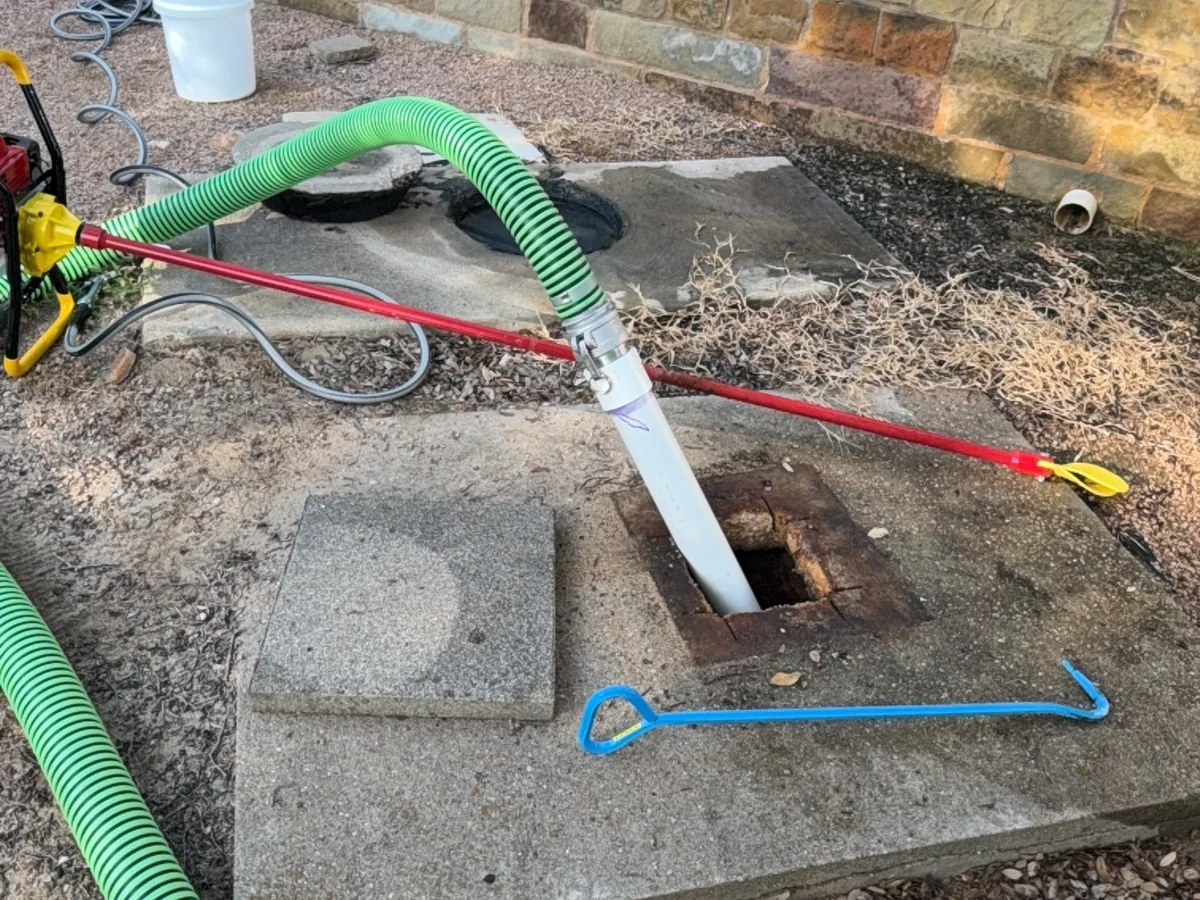
That contract belongs to a licensed maintenance provider, who reports the findings to the city's building official. We pump the tanks on those systems, and aerobic systems have more compartments to empty. Bravo Septic is a TCEQ-registered sludge transporter, and we are licensed and insured.
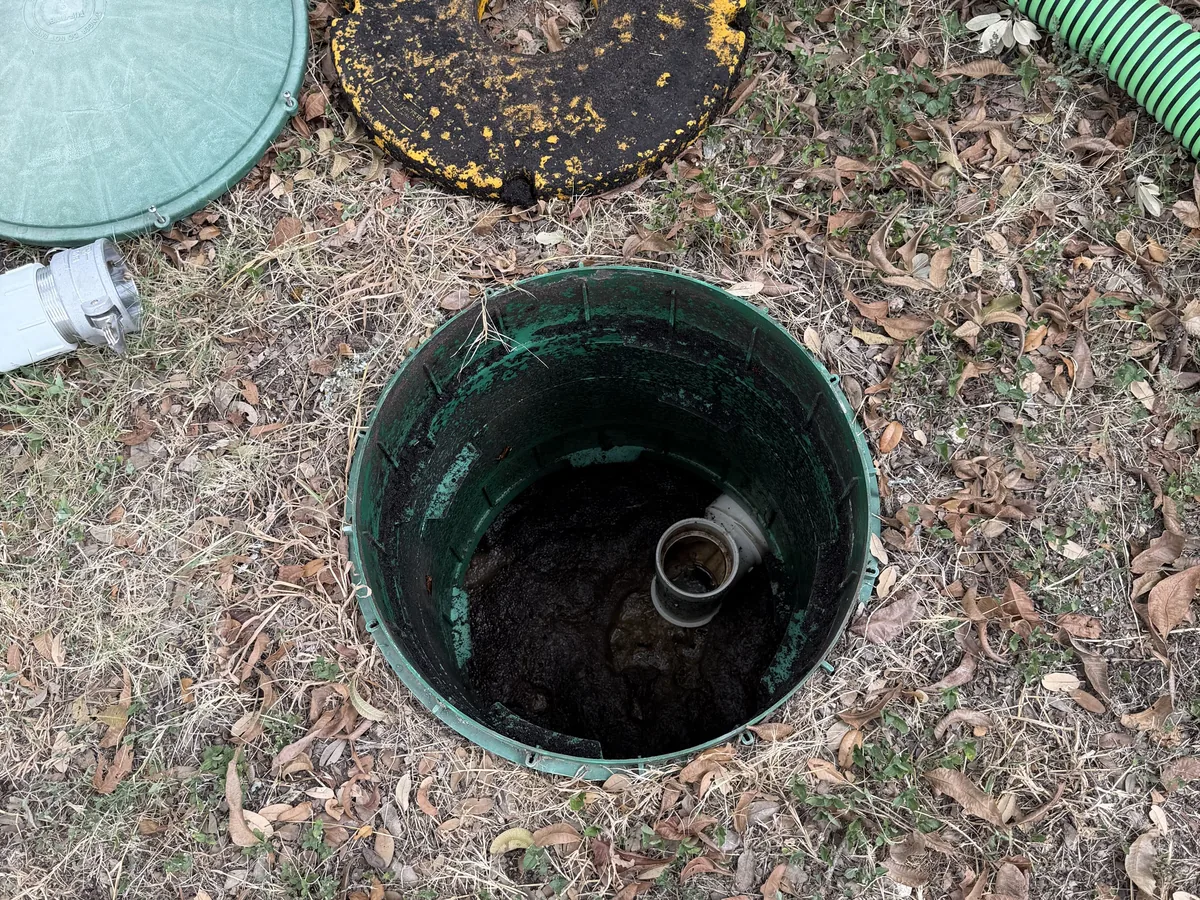
Each pump-out empties every compartment and cleans the effluent filter if the tank has one. While the tank is open, we check the baffles, inlet and outlet. You get photos of the inside of the tank and a plain report on when the next pump-out is due. Our septic tank pumping page lists the full visit.
Bee Cave's ordinance requires systems to be kept from seeping sewage onto the ground or into surface waters. The regional utility, the West Travis County PUA, calls its area environmentally sensitive. It cannot discharge treated wastewater into Little Barton Creek, because of the Endangered Species Act and other restrictions. Instead, it stores the effluent and applies it to golf courses and HOA common areas.
Buying or selling a Bee Cave home on septic
Bee Cave sits where SH 71, RM 620 and FM 2244 (Bee Cave Road) meet. The name comes from a large cave of honeybees on the banks of Barton Creek and Little Barton Creek. About 50 people lived here from the 1940s through the 1980s, and the town incorporated in 1987.
Then it grew fast: 656 people in 2000, 3,925 in 2010 and 9,144 at the 2020 Census. The city has about 4,300 homes, half of them built in 2012 or later. First-time septic owners get a walk-through of where the lids are, what not to flush and how often to pump.
TCEQ notes that a mortgage company may require an evaluation of the septic system before a sale. That evaluation is not required or regulated by TCEQ. A real estate septic inspection in the option period shows the system's condition before you close.
We pump the tank before we inspect it, since a meaningful inspection requires seeing the tank empty. We pull the permit record, so you know what is actually permitted on the property. The written report comes within 24 hours of the site visit, and repair quotes come on request.
Communities and areas we serve around Bee Cave: Belvedere, Rocky Creek, Provence, West Cypress Hills, Sweetwater Ranch, Spanish Oaks, Bee Cave West, Twin Acres, SH 71, RM 620, Bee Cave Road (FM 2244).
Bee Cave ZIP codes served: 78738.