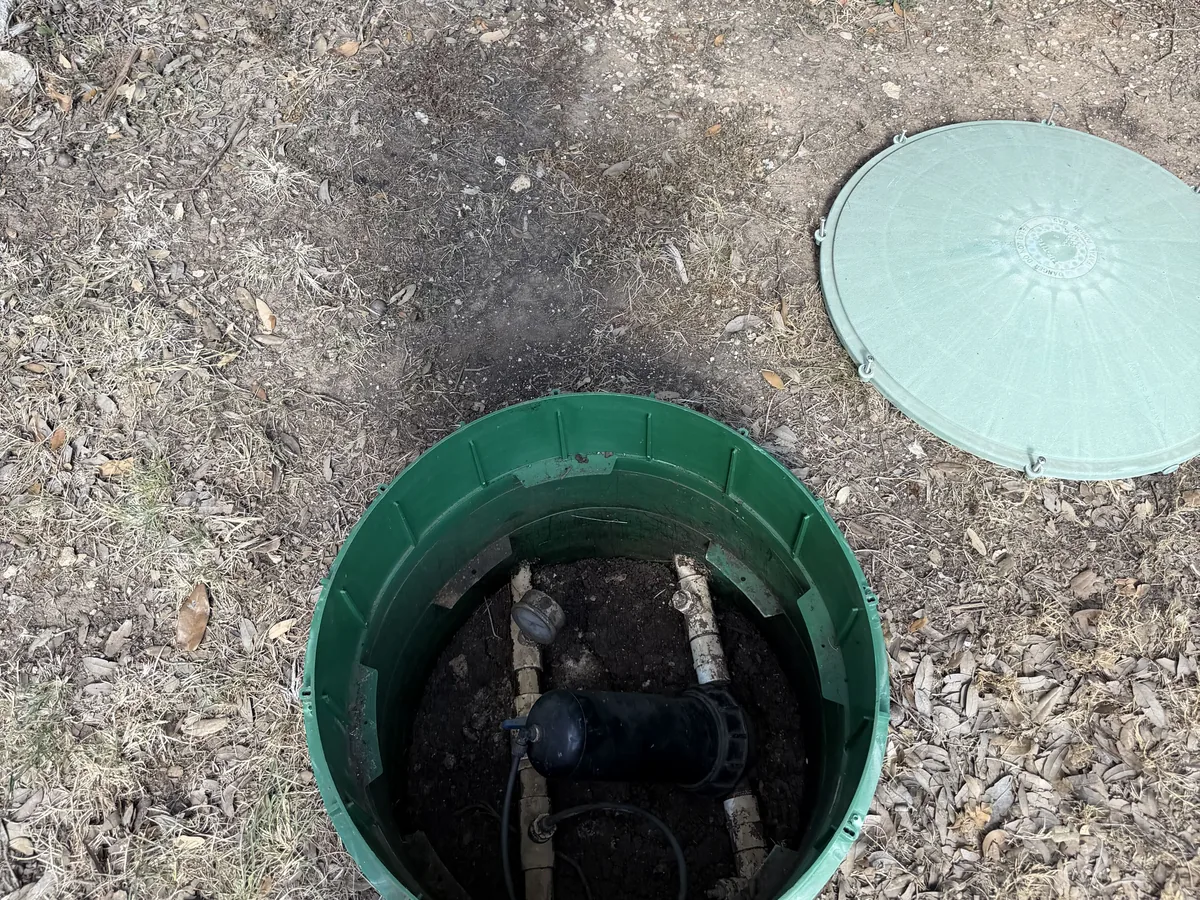
Risers and Lids
A septic tank riser brings the tank lid up to ground level, so the tank opens without digging. We install risers and replace cracked or broken lids across Williamson and Travis County.
Learn More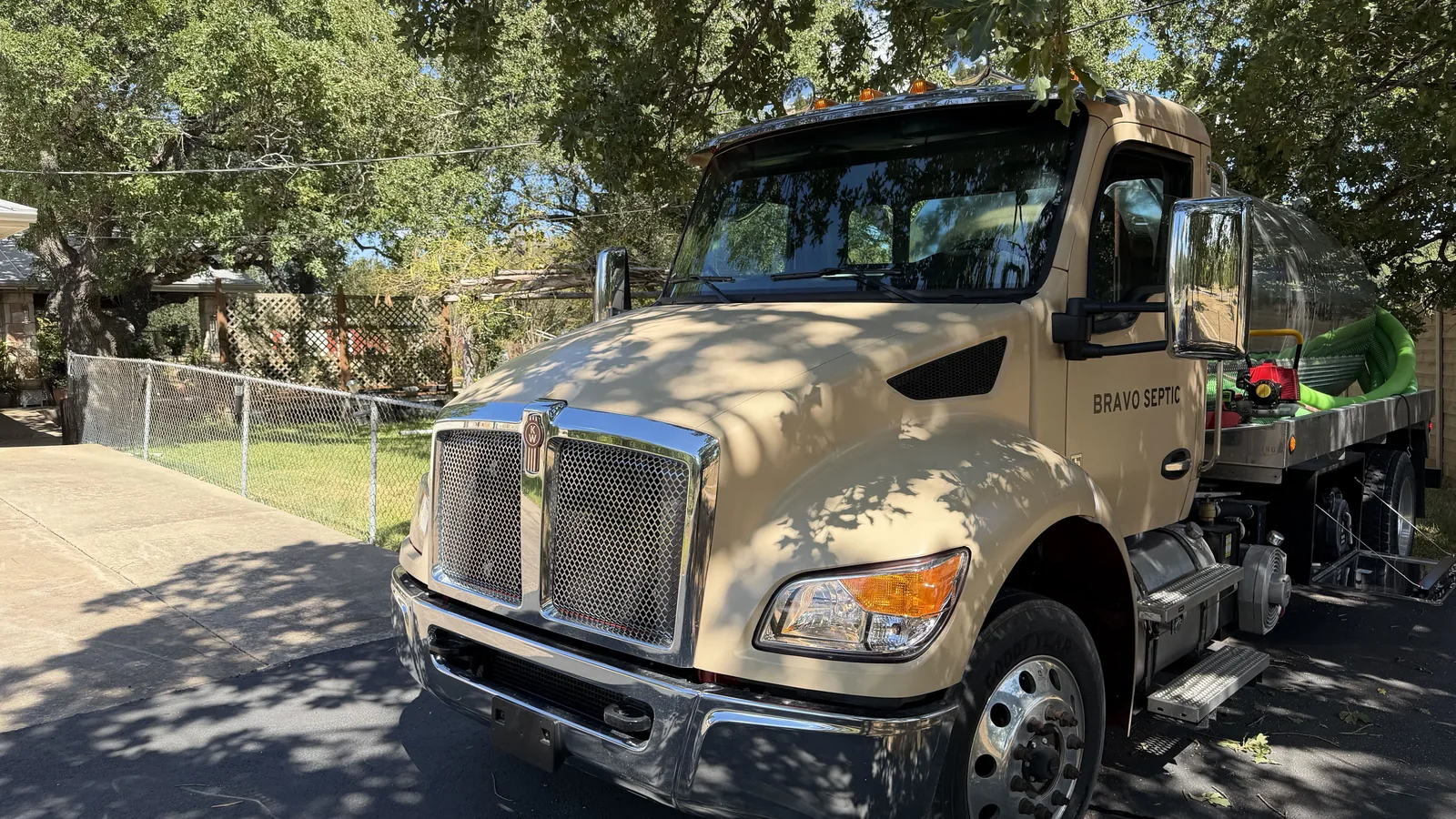
Septic tank pumping is the one job every septic system needs on a schedule. Solids settle in the tank and build up year after year. Once they reach the outlet, the tank stops protecting the drainfield. Bravo Septic brings its own vacuum pump truck to homes around Leander, pumps every compartment and leaves the tank empty.
Septic tank cleaning is the same service under a different name, and conventional tanks and aerobic tanks both get it. We work Williamson County, north and northwest Travis County and the north shore of Lake Travis, about 30 miles around Leander. While the lids are off we clean the effluent filter, look at the baffles and take photos of the inside of the tank. If the lids sit deep, ask about risers that bring the lids up to grade while the tank is open.
Tell us what is going on with your system. We will call or text you back.
TCEQ recommends pumping a conventional septic tank every three to five years, and the EPA gives the same range. The EPA also calls for an inspection at least every three years. That range is a starting point. Tank size and the number of people in the house set the real number.
Texas A&M AgriLife Extension puts figures on it. A 1,000 gallon tank, the size most three bedroom homes here get, is due about every 2.6 years with four people in the house. The same tank with two people can go close to six years. A garbage disposal pulls the date closer.
The tank tells the truth once it is open. The EPA's rule of thumb: pump when sludge and scum fill more than a quarter of the liquid depth. Pump sooner if the sludge sits within 12 inches of the outlet. We measure both before we pump and tell you where your tank stood. The next date comes from your tank, not a calendar.
We start at the lids. If you know where they are, tell us when you book and clear a path to them. If not, we start at the sewer cleanout and probe from there. Buried lids get hand dug, and that time is part of the quote.
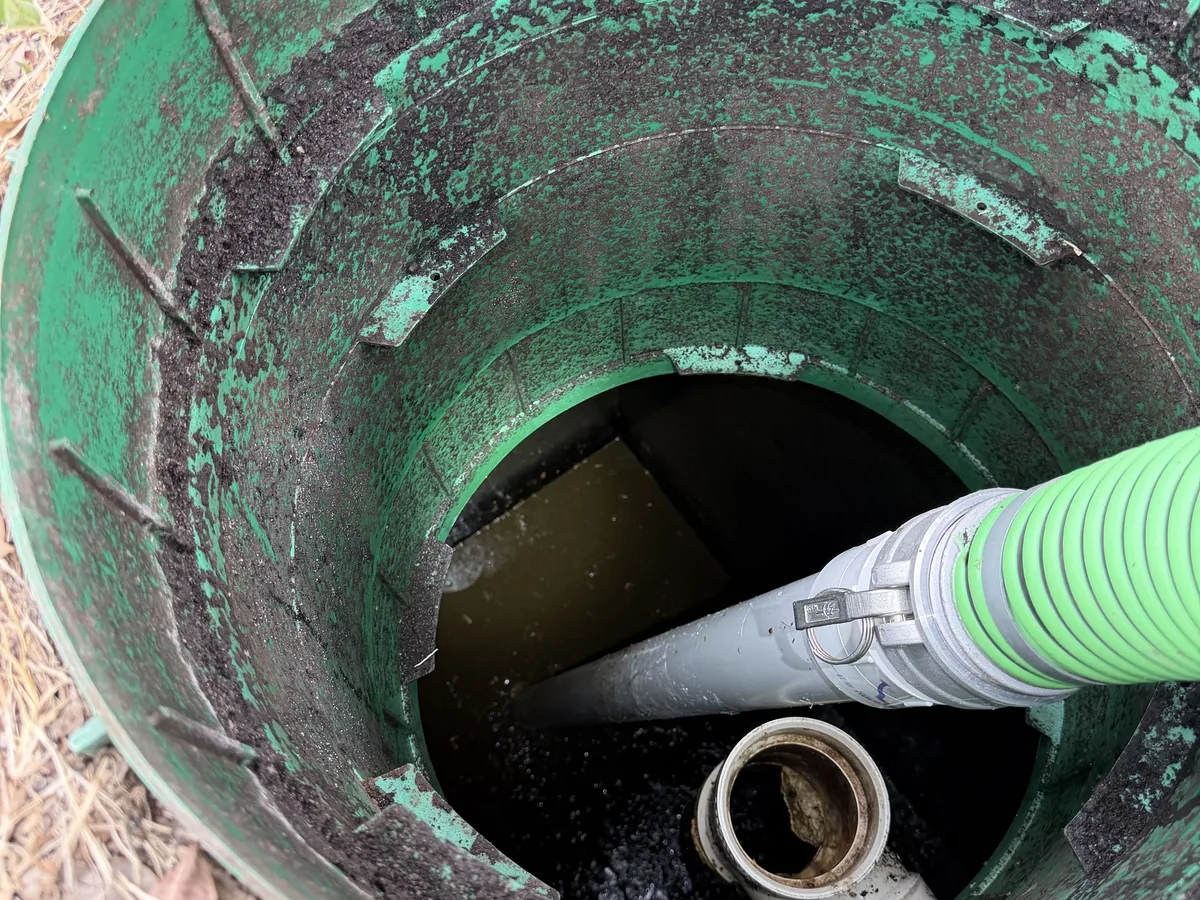
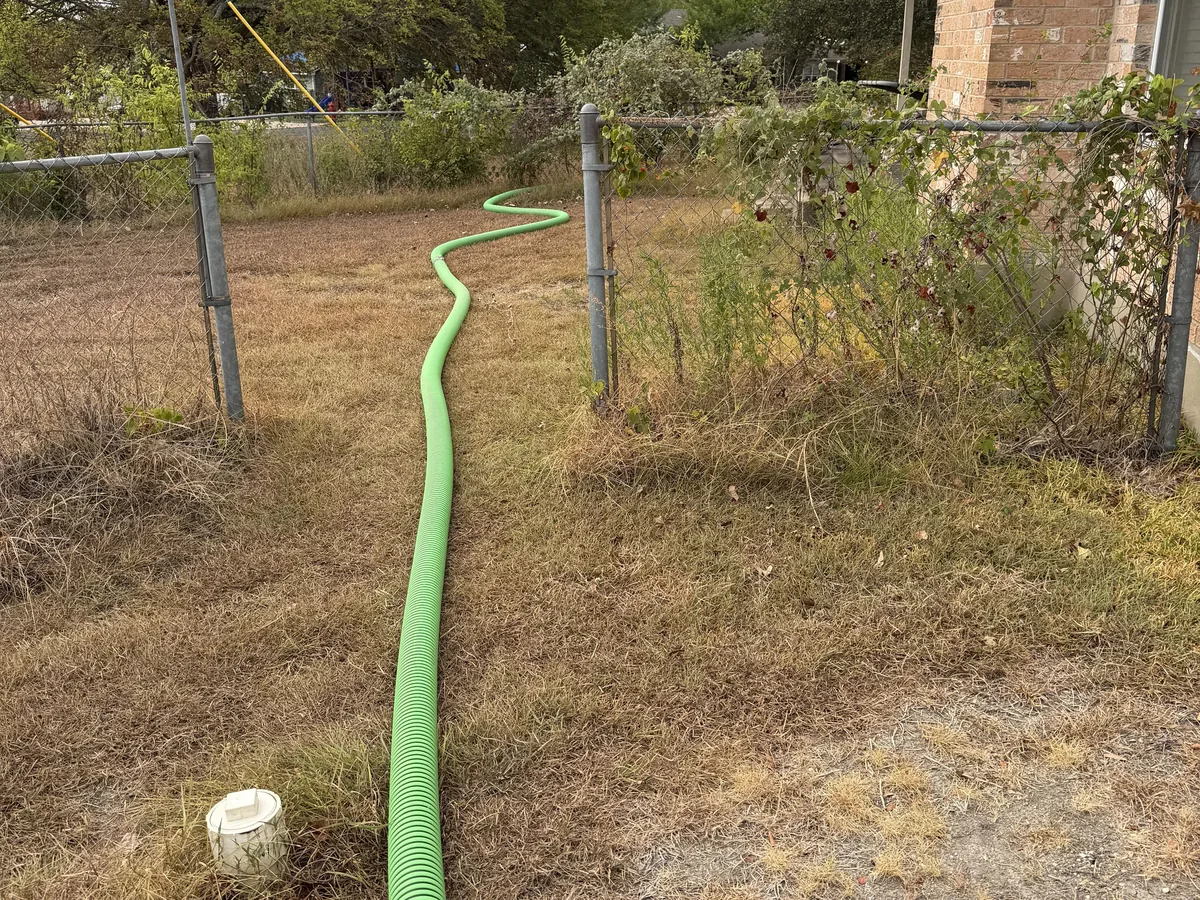
With the lids off we measure the sludge and scum, run the hose from the truck and pump every compartment. A two compartment tank gets both sides emptied. An aerobic system has more compartments to empty, and we pump those too. The effluent filter comes out and gets cleaned if the tank has one. We look at the inlet and outlet baffles while we can see them.
Before we close up you get photos from inside the tank and a plain rundown of what we found. The lids go back on resealed, and the site is left the way we found it. First-time septic owners get walked through where the lids are, what not to flush and how often to pump. The septage goes to an authorized disposal site, because Texas requires a TCEQ-registered sludge transporter to haul it.
Slow drains in more than one fixture, gurgling when the washer empties and odor in the yard all point to a full tank. So does wet ground over the tank, or bright green grass over the drainfield in dry weather. Sewage coming up inside the house is an emergency septic service call, and urgent problems get priority on the schedule.
Some tanks are due with no symptoms at all. A house that sat vacant for months belongs on the schedule. So does a long stretch of heavy use with guests, or a tank nobody has pumped in ten years. A tank that has gone that long still gets pumped. Pumping alone cannot undo solids that already reached the field, so we say what we see. A septic inspection puts it in writing when the tank calls for one.
One rule from the EPA: do not pump a tank while the ground is flooded or saturated. An empty tank can float up out of wet ground and break the inlet and outlet pipes. That matters after a flood along the Lake Travis shore, and after a wet week on the Blackland clay east of I-35. Let the ground drain first, and we tell you when it is safe.
A quote before any work begins, across Williamson County, north Travis County and the north shore of Lake Travis.
(512) 887-4458From the first call to the lids going back on, here is how it goes.
Call or text (512) 887-4458, or send the quote form. Tell us roughly when the tank was last pumped if you know.
You get the appointment window by text. If anything changes on our end, you hear from us first.
If you know where your lids are, tell us when you book. If not, we start at the sewer cleanout and probe from there.
The tank comes out empty. While it is open we clean the effluent filter and look at the baffles, inlet and outlet.
You get photos, the tank's condition and a realistic date for the next pump-out. Lids are resealed and the site is left the way we found it.
Common questions about septic pumping across Williamson County, north Travis County and the north shore of Lake Travis. If yours is not here, call and ask.
A septic tank riser brings the tank lid up to ground level, so the tank opens without digging. We install risers and replace cracked or broken lids across Williamson and Travis County.
Learn More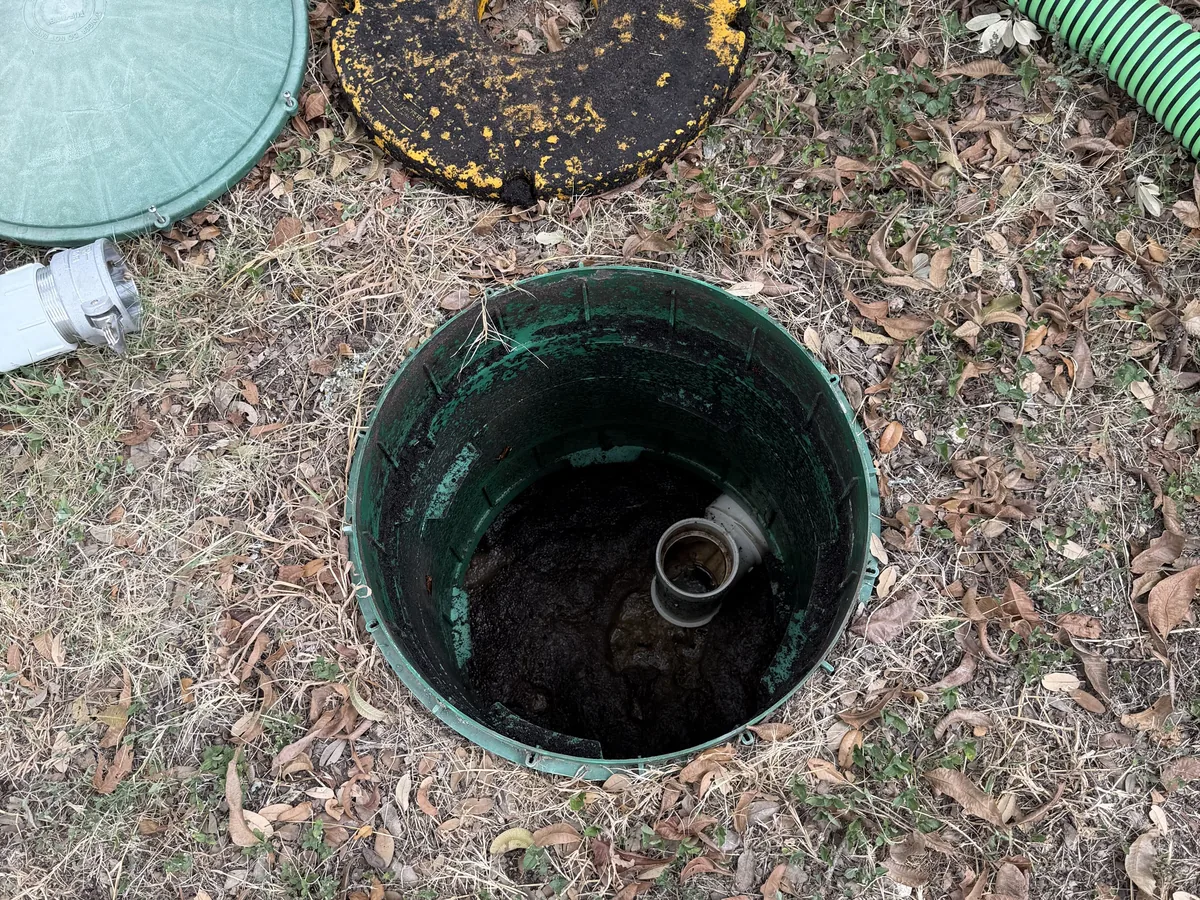
A septic inspection for owners who want to know where the system stands. We measure sludge and scum, check the tank and the field, and send a written report with photos.
Learn More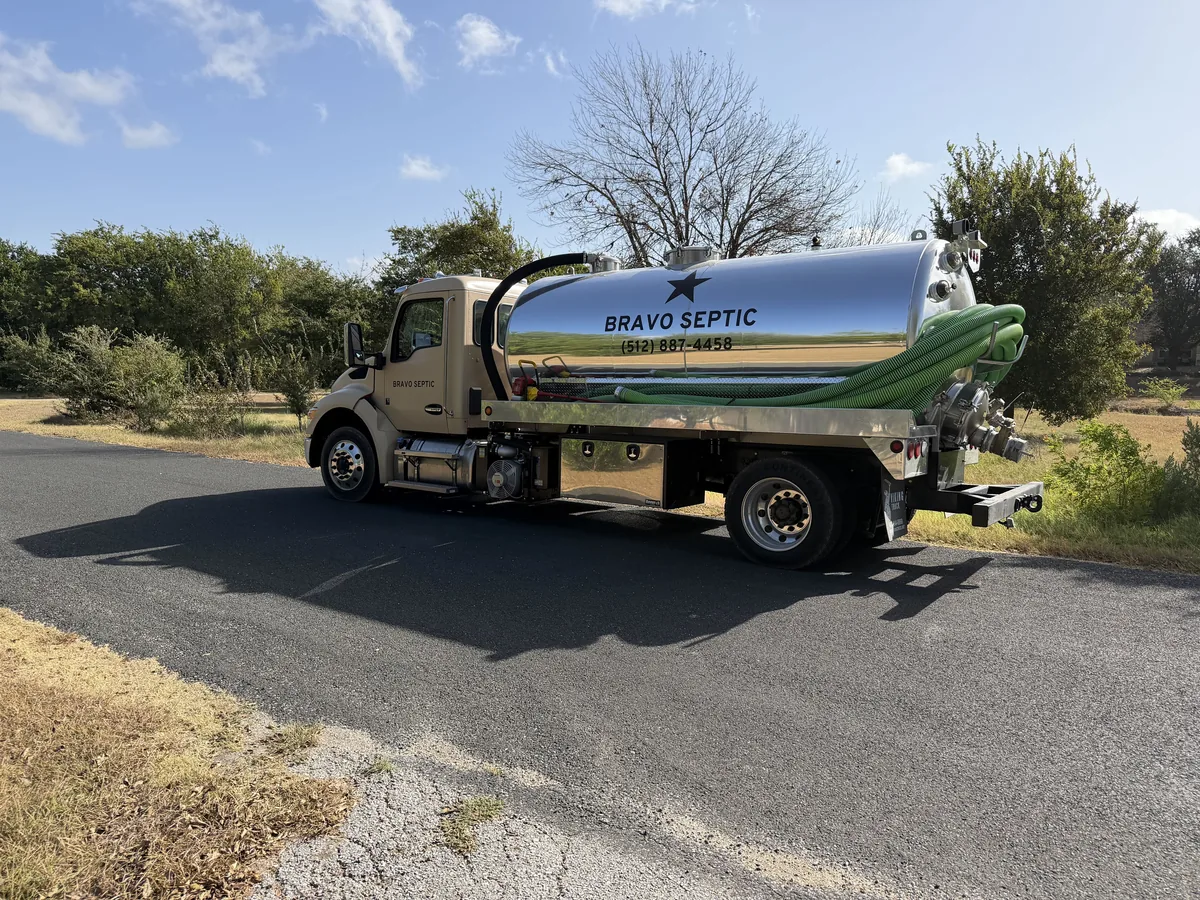
Sewage backing up, a tank overflowing or an alarm sounding gets priority on the schedule. We pump the tank, find the cause and tell you what failed.
Learn MoreYou get the number before we start, and the quoted price is what you pay for that scope. If something else turns up once the tank is open, you get a separate quote first.
Every compartment in the tank gets emptied. While it is open we clean the effluent filter and check the baffles, inlet and outlet.
You get photos of the inside of your tank and a plain rundown of its condition. We also give you a realistic date for the next pump-out.
Our own vacuum pump truck works about 30 miles around Leander. Cedar Park, Liberty Hill, Georgetown, Round Rock and the north shore of Lake Travis are all in range.
Real reviews from real septic jobs, 38 reviews on Google.
Called Bravo Septic to pump our tank in Leander after about four years. Isaac gave me a firm price up front, showed up in the window he said, and had it done in under an hour. He popped the lids, showed me the sludge level, and told me I could probably go another three years before the next one. No upsell, no surprises on the invoice. Will be using them from here on out.
Our place in Jonestown is at the end of a long gravel drive and a couple of pumpers wouldn’t even come out. Bravo Septic had no problem getting the truck back there and pumped both compartments. Left the site cleaner than he found it and backfilled the lids properly. Great to find somebody who will actually service this area.
Septic backed up into the downstairs shower on a Saturday night. Bravo Septic answered the phone and had a truck at the house the next morning. Turned out the tank was way overdue. He pumped it, checked the outlet, and explained why it happened. Will use them again.
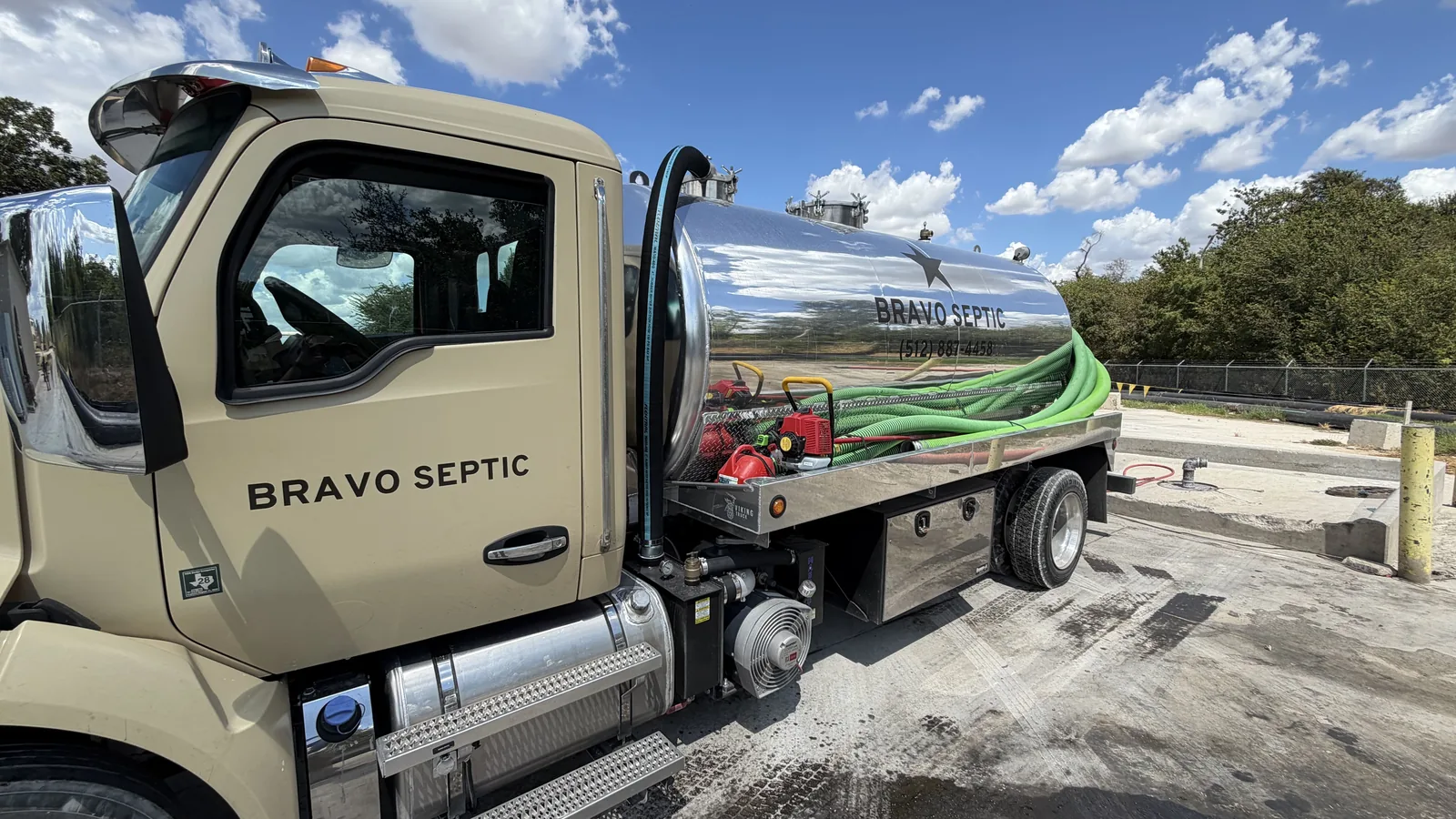
Septic tank maintenance in Texas: how often to pump, the signs a tank is full, what not to flush, and how to protect your drainfield. Call (512) 887-4458.
Read more →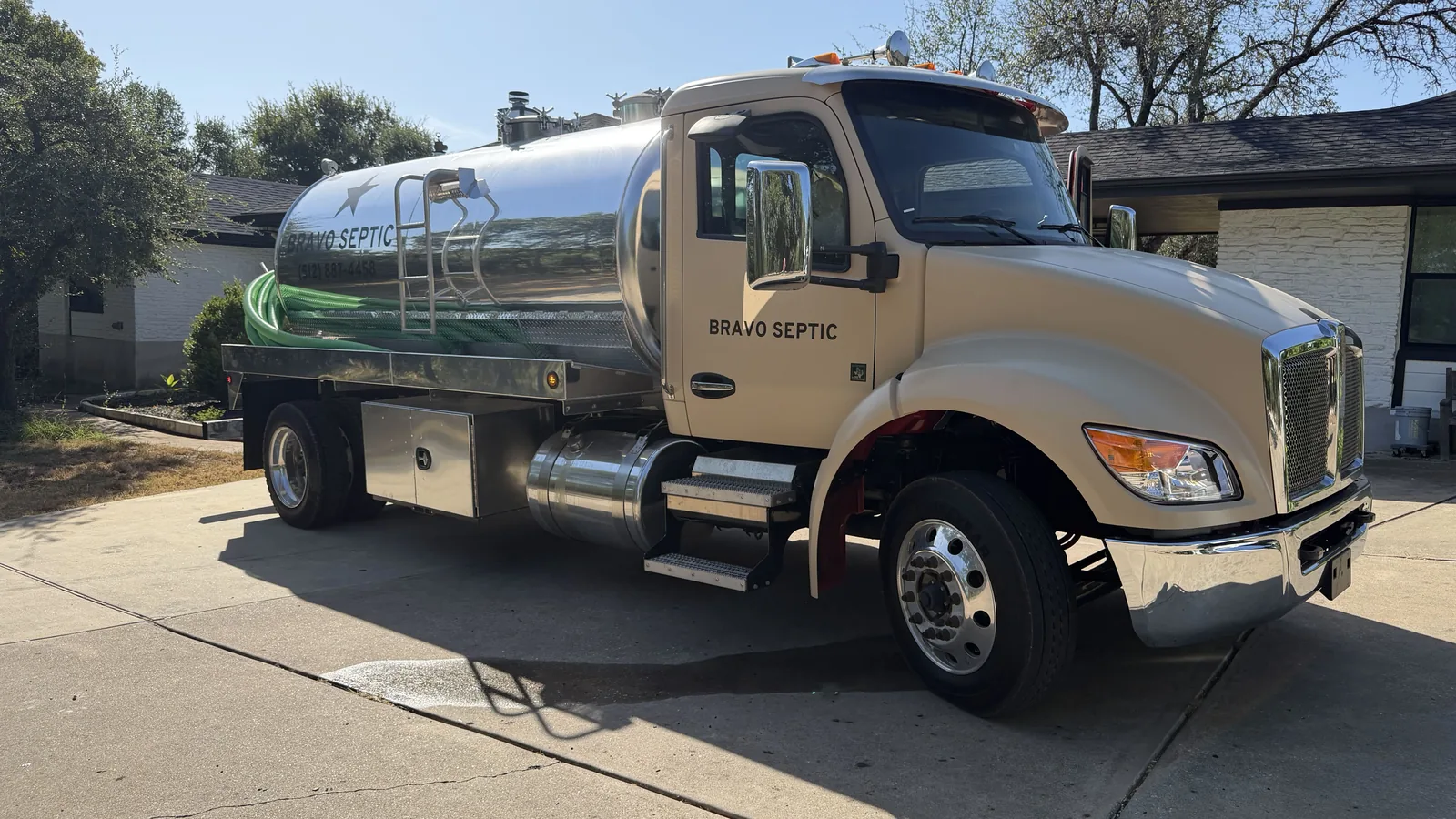
Septic tank pumping cost in Texas: published market ranges by tank size, what drives the price, and how often to pump. Call Bravo Septic at (512) 887-4458.
Read more →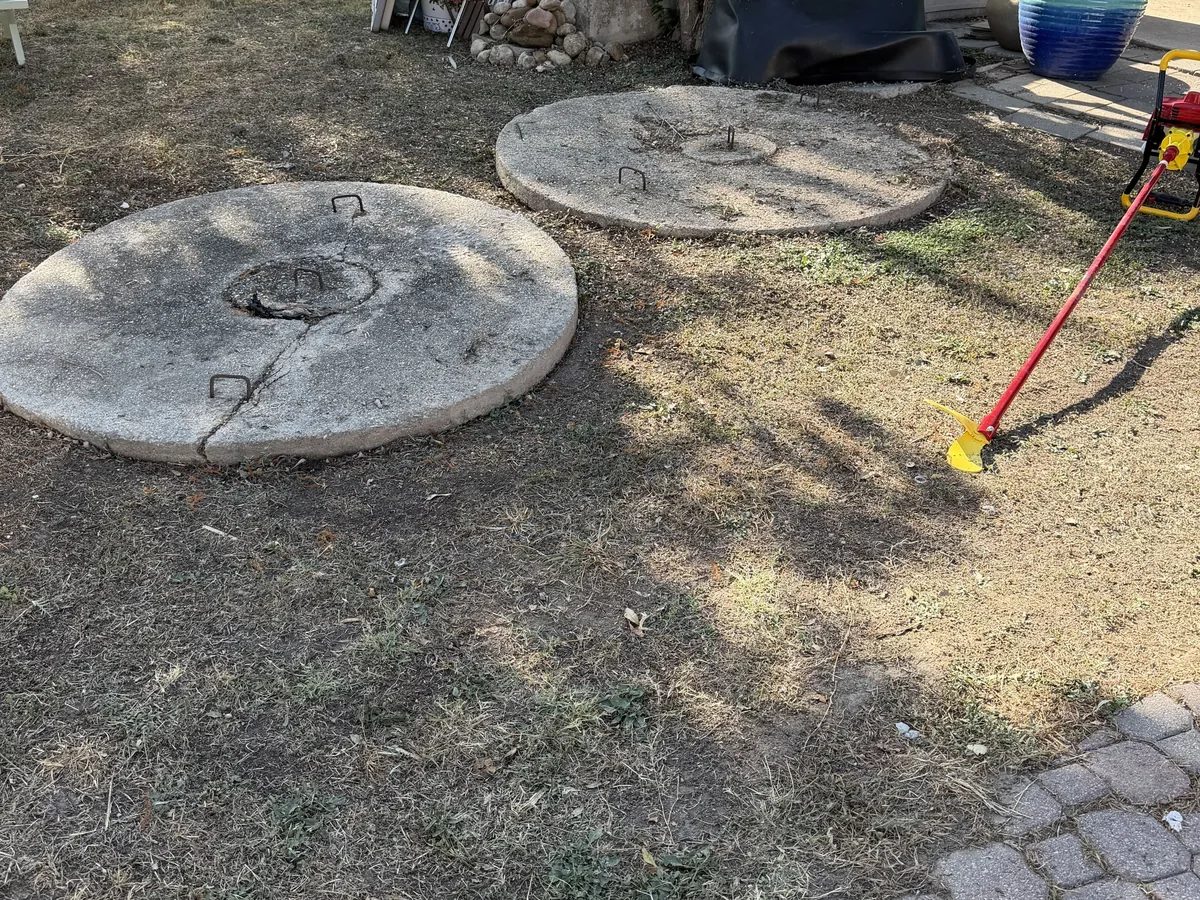
Septic tank replacement cost in Texas: national ranges for the tank, the full swap and the drain field, plus TCEQ permit and old tank rules. (512) 887-4458
Read more →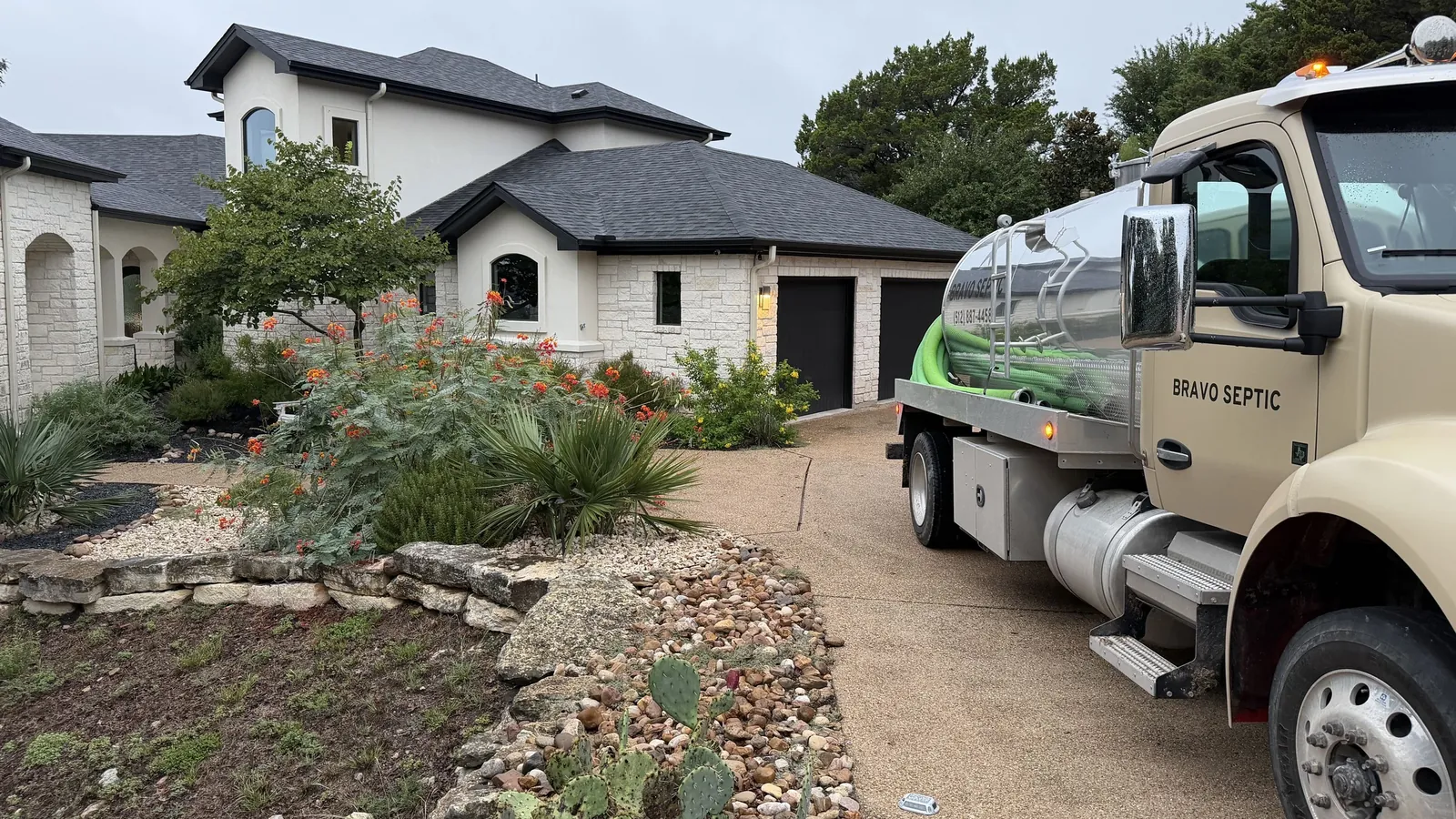
Texas uses conventional septic systems where the soil allows and aerobic, spray or drip systems where it does not. How each type works and its upkeep.
Read more →Tell us what the system is doing and when it was last pumped, and we will quote the job. You can also call or text (512) 887-4458.
Tell us what is going on with your system. We will call or text you back.