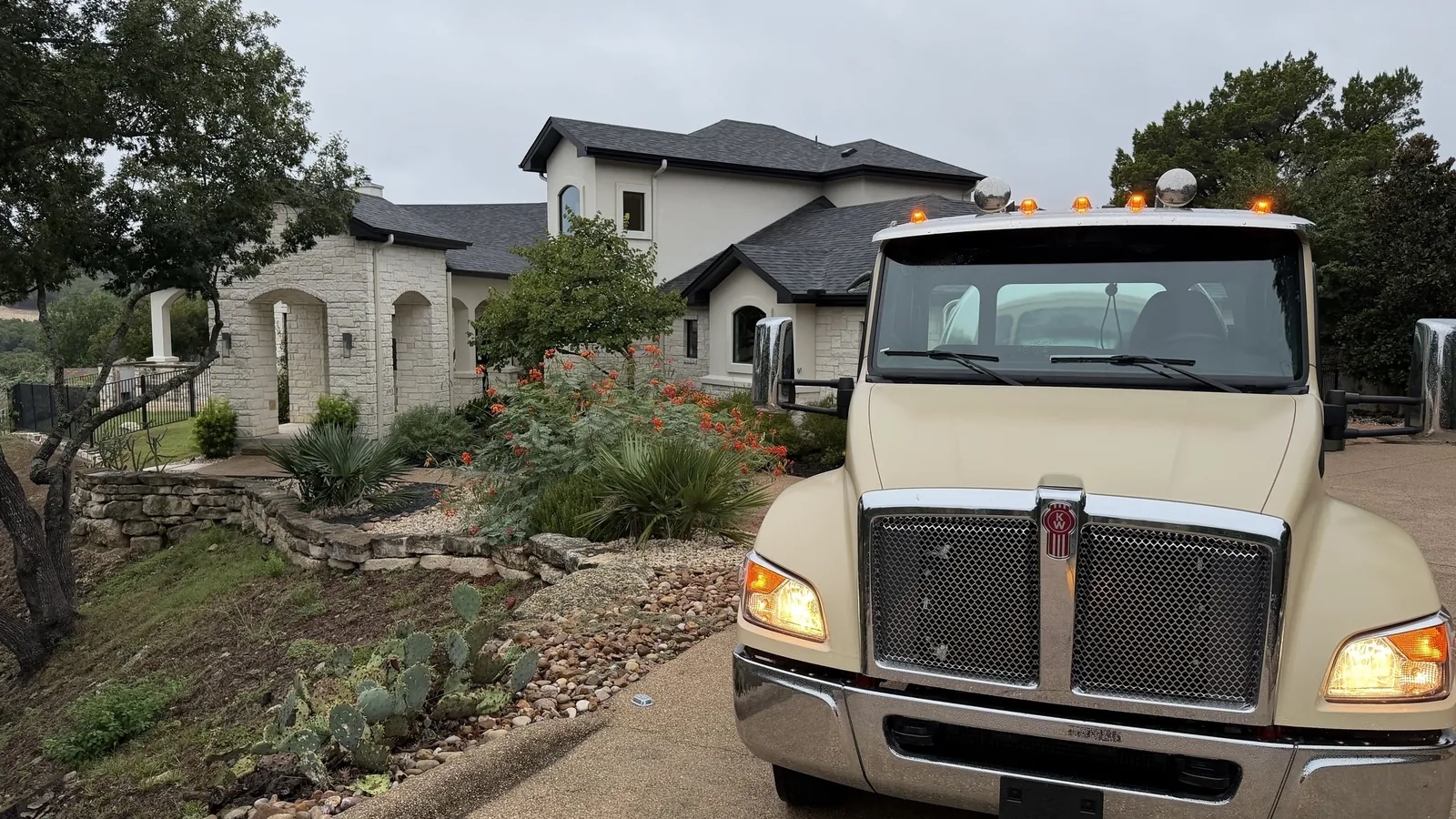
Why is Old Lakeway still on septic?
Lakeway began in 1962 with the construction of the Lakeway Inn and Marina. Houses came next, and by April 1971 the first 17 residential sections were built. Lakeway MUD (LMUD) was not formed until 1972. When LMUD passed a bond that included a sewer system, owners in that original area chose to opt out. They had just installed their septic systems.
In LMUD's words, those systems even today remain regulated by TCEQ and enforced by the Lower Colorado River Authority (LCRA). Old Lakeway signs mark the area now. In a 2020 update, LMUD called it "an area currently dominated by aging septic systems."
Lakeway had 19,189 people at the 2020 Census, and the Census Bureau estimates about 19,000 for 2025. The city has about 8,600 homes, half of them built before 2004. In August 2026, Lakeway MUD took over water and wastewater service in Rough Hollow and The Highlands of Lakeway. That added about 4,800 customers.
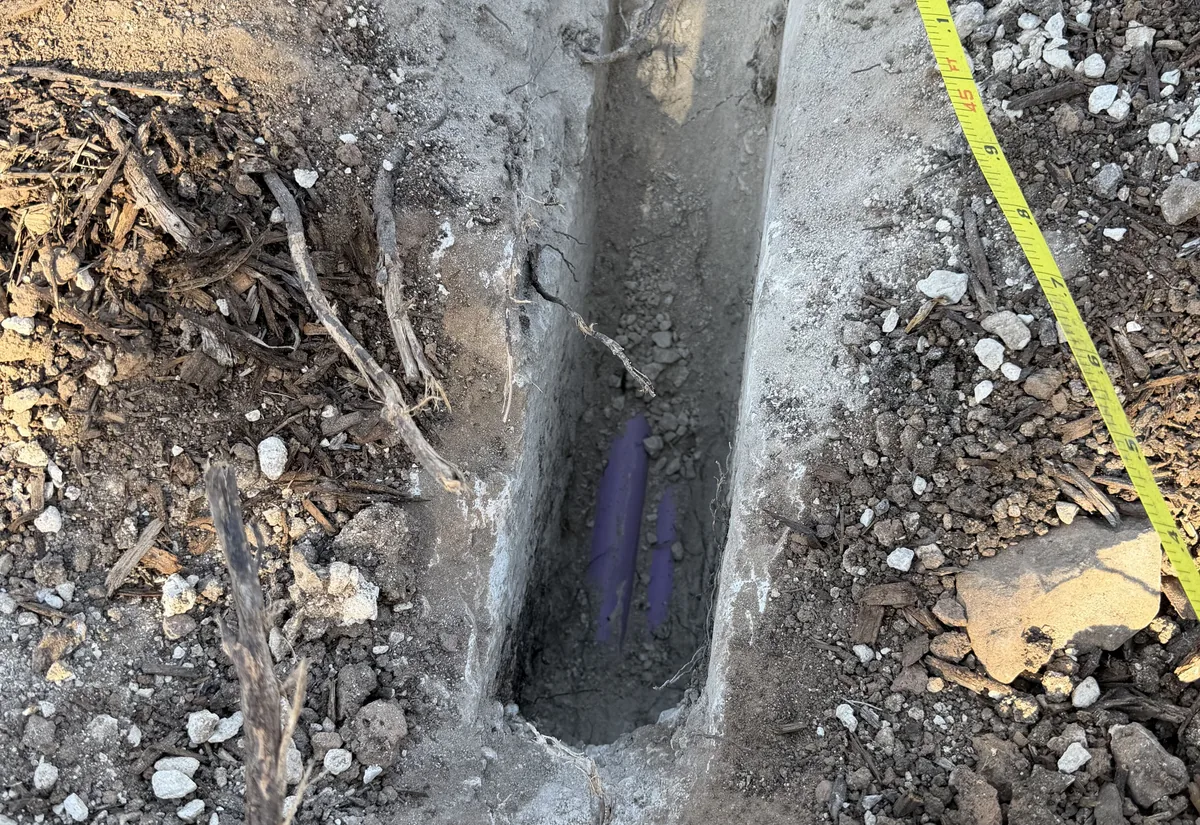
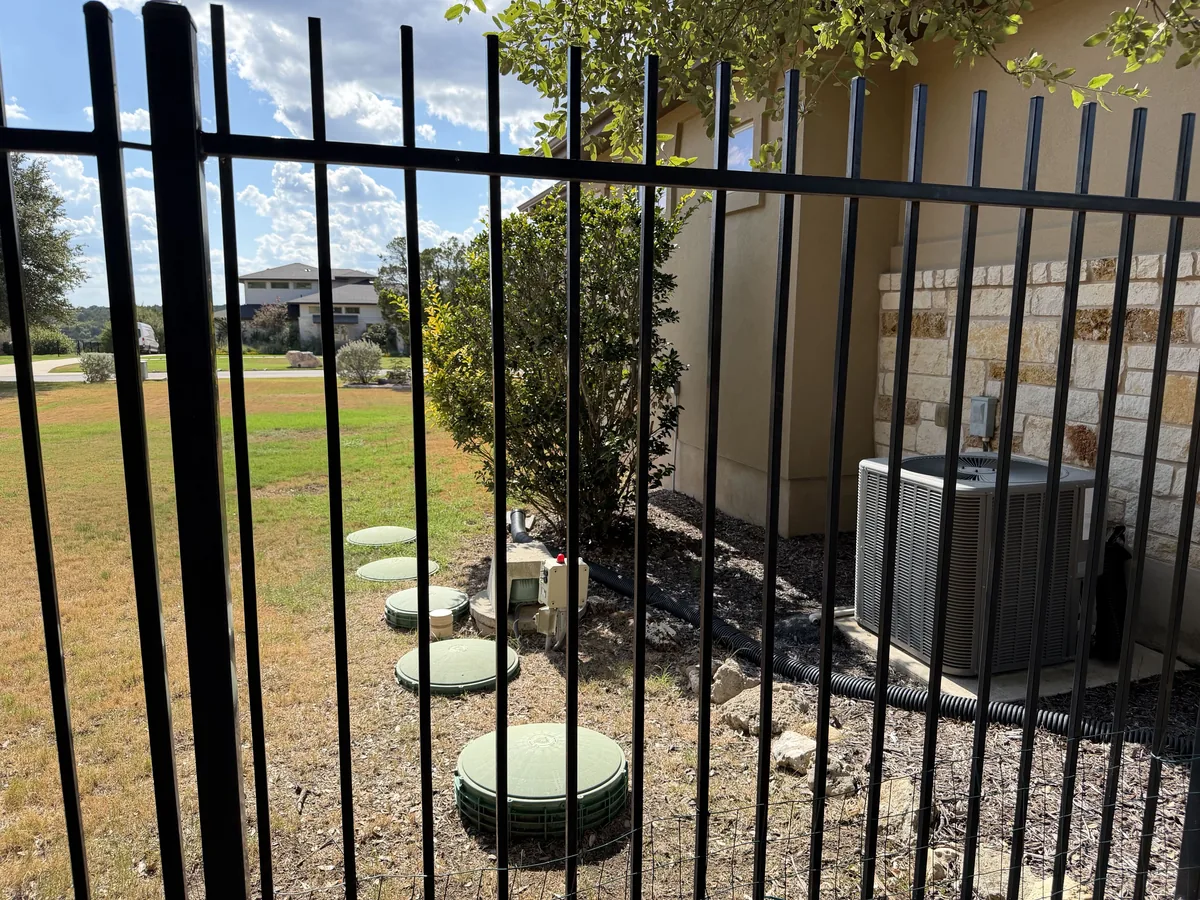
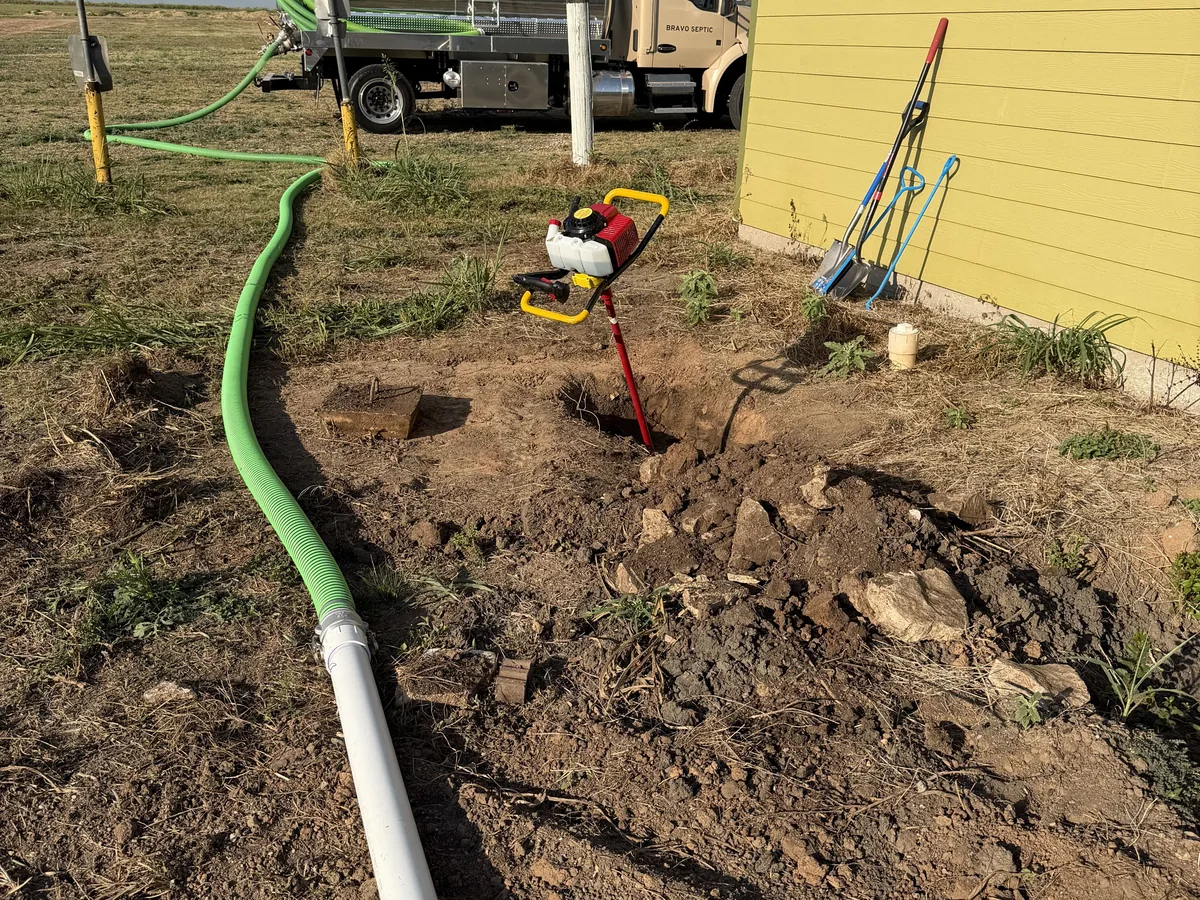
On lots as old as the first 17 sections, nobody may remember where the tank is. LMUD's septic guide sends owners to LCRA's OSSF Department for a layout of their system. A home's as-built drawings may show the tank too. Septic tank locating starts at the sewer cleanout, and we probe from there.
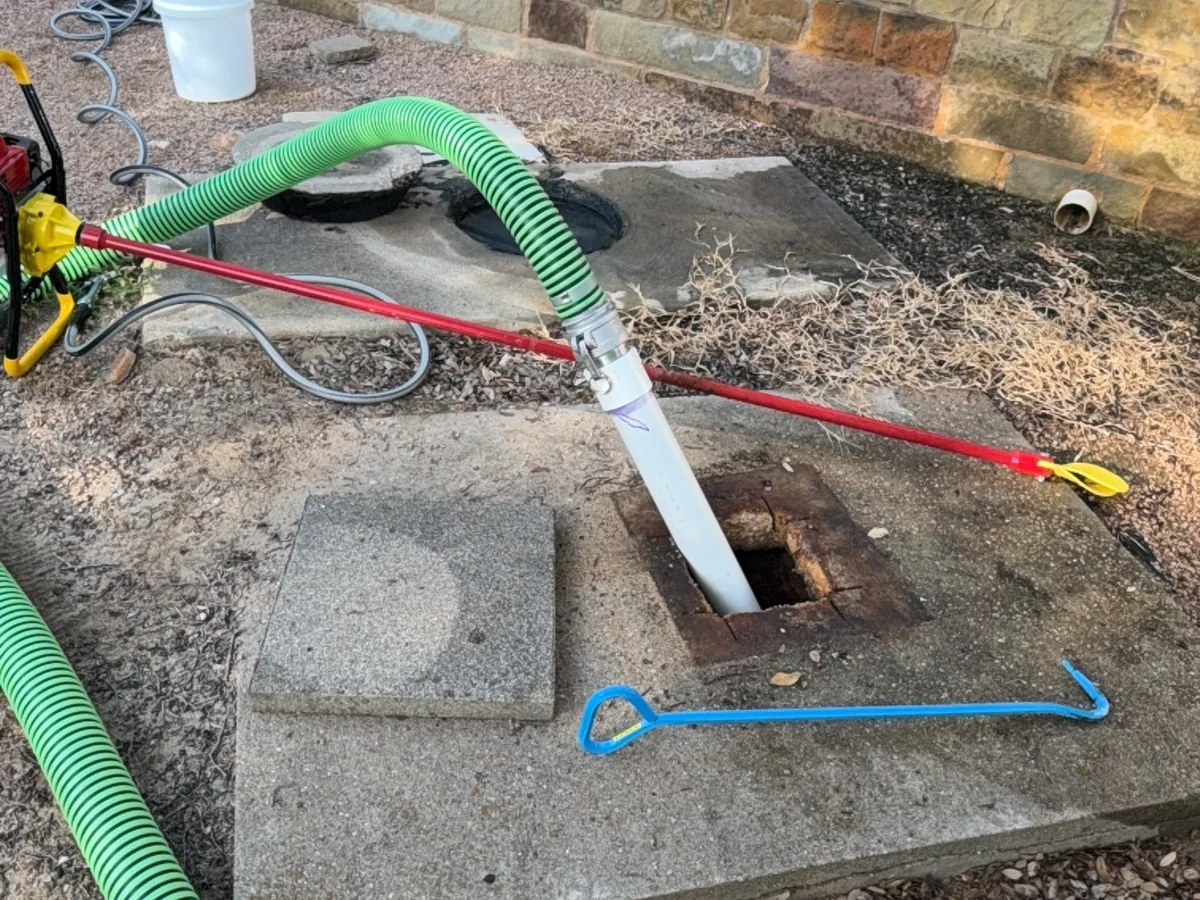
Septic tank pumping during Lakeway MUD's sewer project
Lakeway MUD's Out of District Wastewater (ODWW) Project brings public sewer to the first 17 sections. Plans began in 2018, after a survey found about 80 percent of owners would connect if sewer were offered. Work started in May 2019, with main lines around the Live Oak Golf Course. Connecting is optional for each homeowner.
Phase 1 covers mainly the homes around the Live Oak Golf Course, and connections there began in summer 2021. LMUD says the project has moved at a slower pace than first presented in 2018. Each connection is a low-pressure sewer, with a grinder pump and control panel at the house. The owner's contractor or LMUD installs it, and an LMUD install averages about a year's wait after signing up.
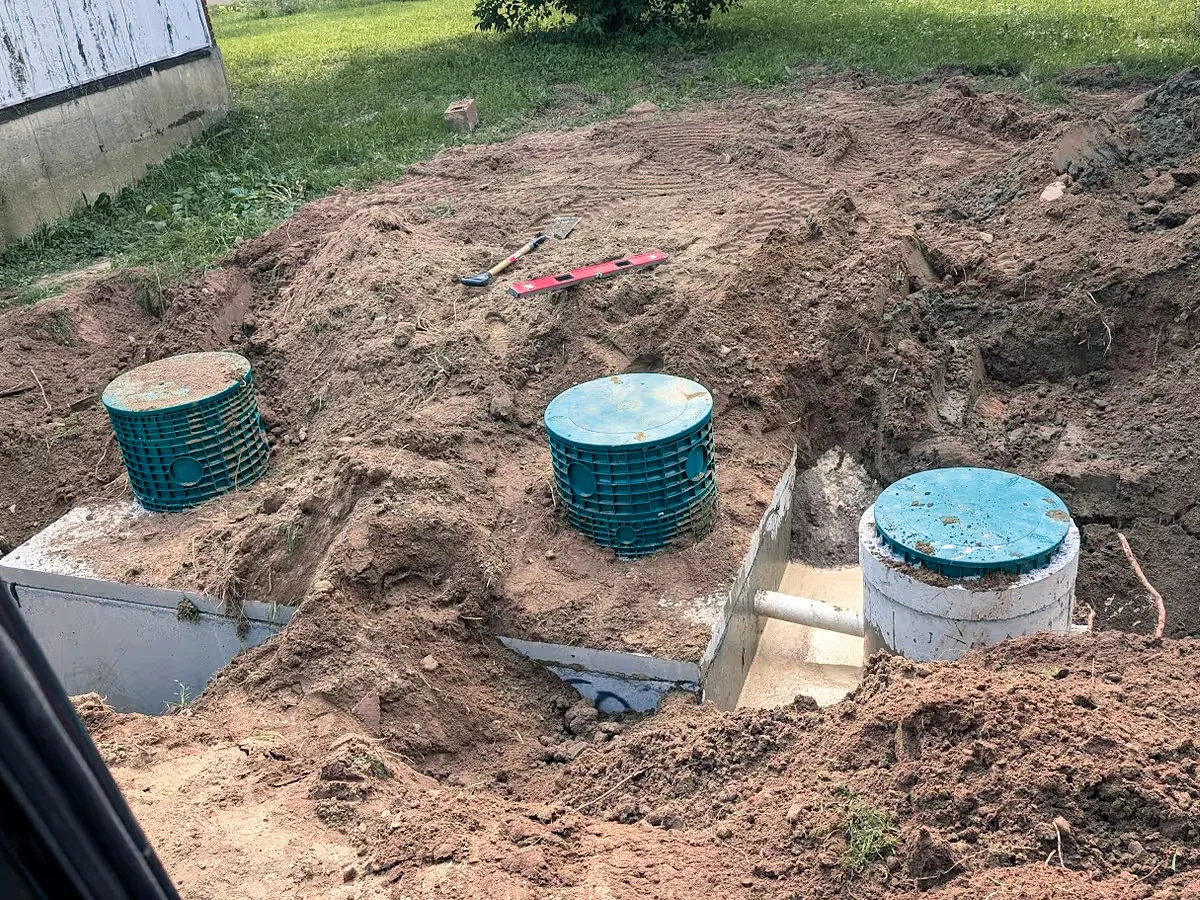
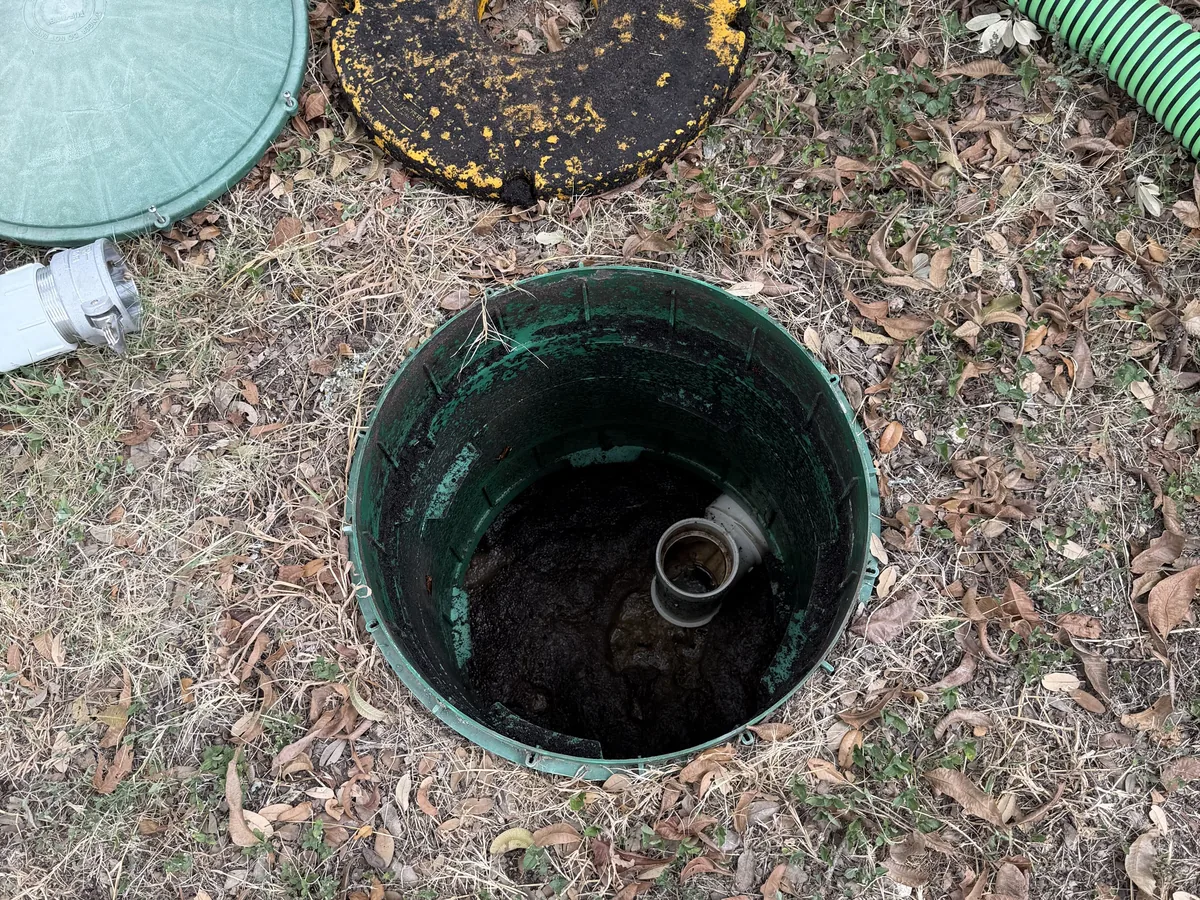
Until a home connects, its septic tank keeps doing the work and still needs pumping. LMUD's septic guide puts routine pumping at every two to five years, based on the system and its use. With proper maintenance, the guide adds, the concrete tanks found here can last 40 years to nearly indefinitely. Each pump-out empties every compartment, and you get photos and a plain report on when the next one is due.
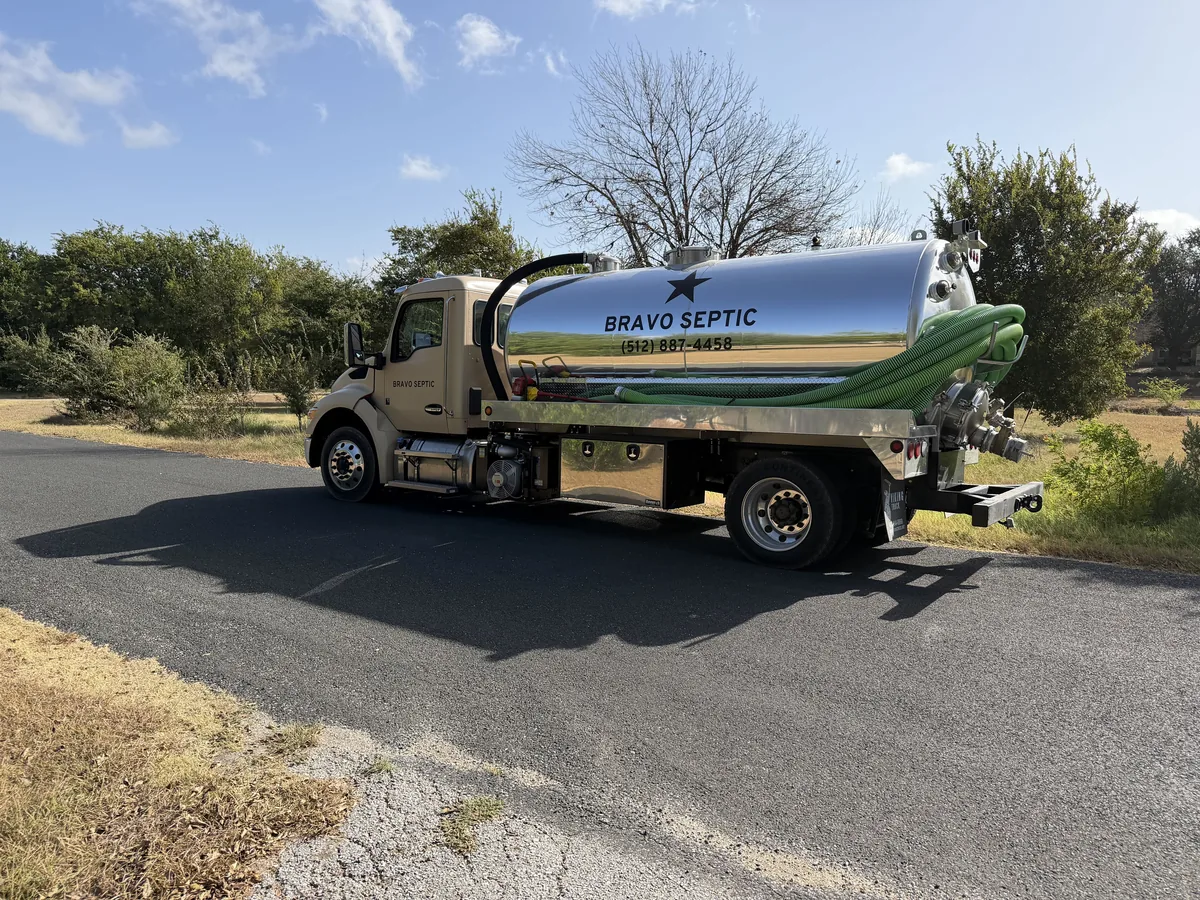
When a home does connect, the old tank leaves service. Hauling out its contents takes a Manifest Trip Ticket for Hauled Liquid Waste, which LMUD files with LCRA. LMUD or the owner then handles the decommissioning. The pump-out is our part. We are a TCEQ-registered sludge transporter, and we are licensed and insured. Our septic tank pumping page lists what each visit includes.
LCRA permits and selling a Lakeway home on septic
LCRA permits septic systems across all of Lakeway. On TCEQ's lookup of local permitting agents, the City of Lakeway appears by name under LCRA. TCEQ designated LCRA as an authorized agent for its septic rules. LCRA has regulated septic systems within 2,000 feet of Lake Travis since September 1971. By then, the first 17 sections were already built.
A home sale brings in LCRA's approval for continued use process, which includes a reinspection. The application includes a copy of the MLS listing. LCRA's fee schedule applies the same reinspection to repairs and refinancings. An approval is valid for six months from the date of issue.
If LCRA does not approve the system, the owner contacts a licensed installer to make the corrections. A real estate septic inspection early in the option period leaves time to price any fix. We pump the tank before we inspect it and request the permit record from LCRA. The written report comes within 24 hours of the site visit, and repair quotes come on request.
Remodel plans can matter as well. LMUD's septic guide notes that adding a bathroom or bedroom may require a new septic system.
How does Lakeway's shallow rock affect a septic system?
At the center of Lakeway, the USDA soil survey maps Brackett soils and bare rock outcrop. Rock outcrop makes up a fifth of that map unit. Under the Brackett soil, soft rock starts about 18 inches down. To the north, east and half a mile south, Eckrant soils sit on hard rock about 8 inches down.
Half a mile west, the survey maps a silty clay loam, rated very limited because of its clay. Every rated soil at every sampled point comes back very limited for a septic drainfield. TCEQ's 2025 report counts 124 new systems authorized by LCRA in its Travis County area, Lakeway included. Drip systems made up 78 of them and spray systems 18, while just one was a standard trench or bed.
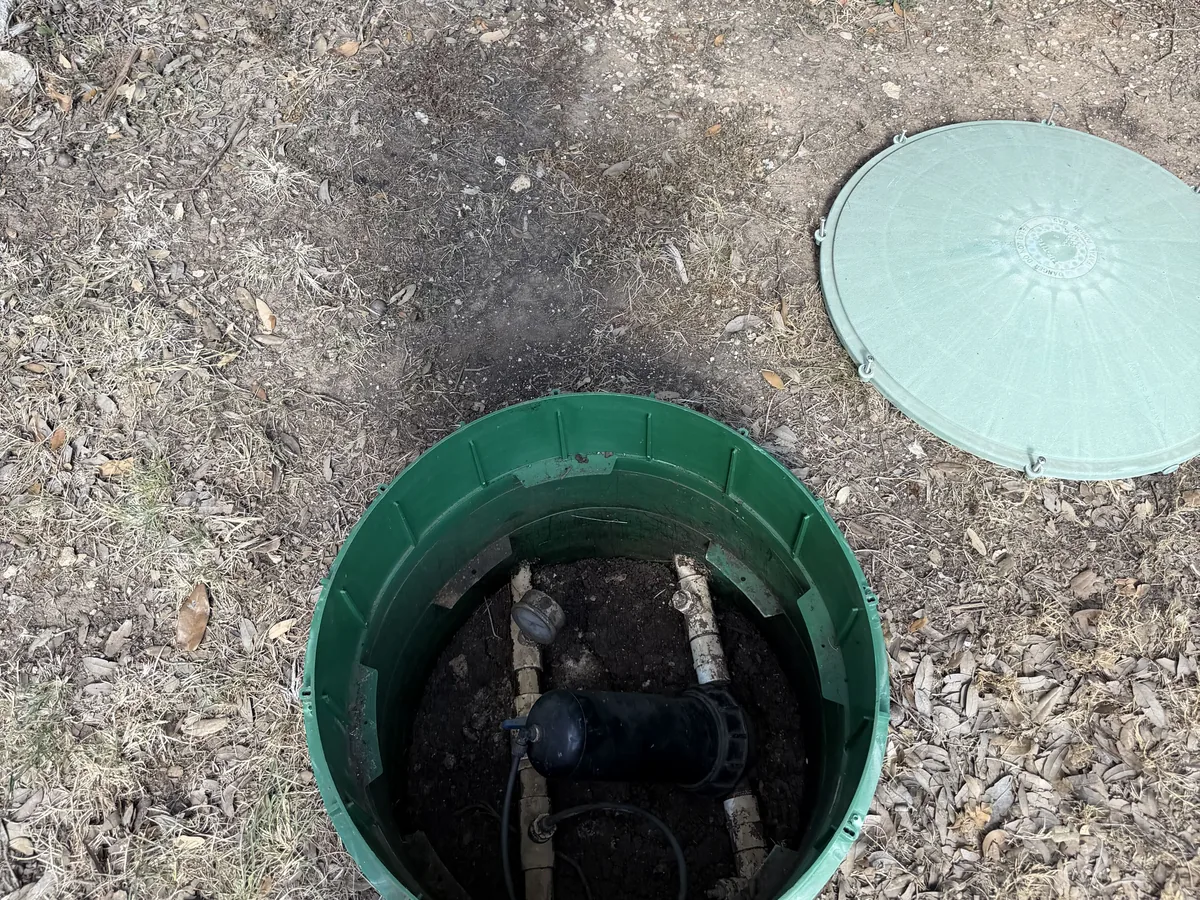
Those drip and spray installs take an installer licensed for non-standard systems, a TCEQ Installer II. Our work here is on conventional systems: septic repair on tanks and lines, and drain field repair on conventional fields. Where a drainfield sits uphill from the tank, LMUD's guide explains, a pump tank moves the effluent up. We repair the pumps, floats and alarms in those pump tanks.
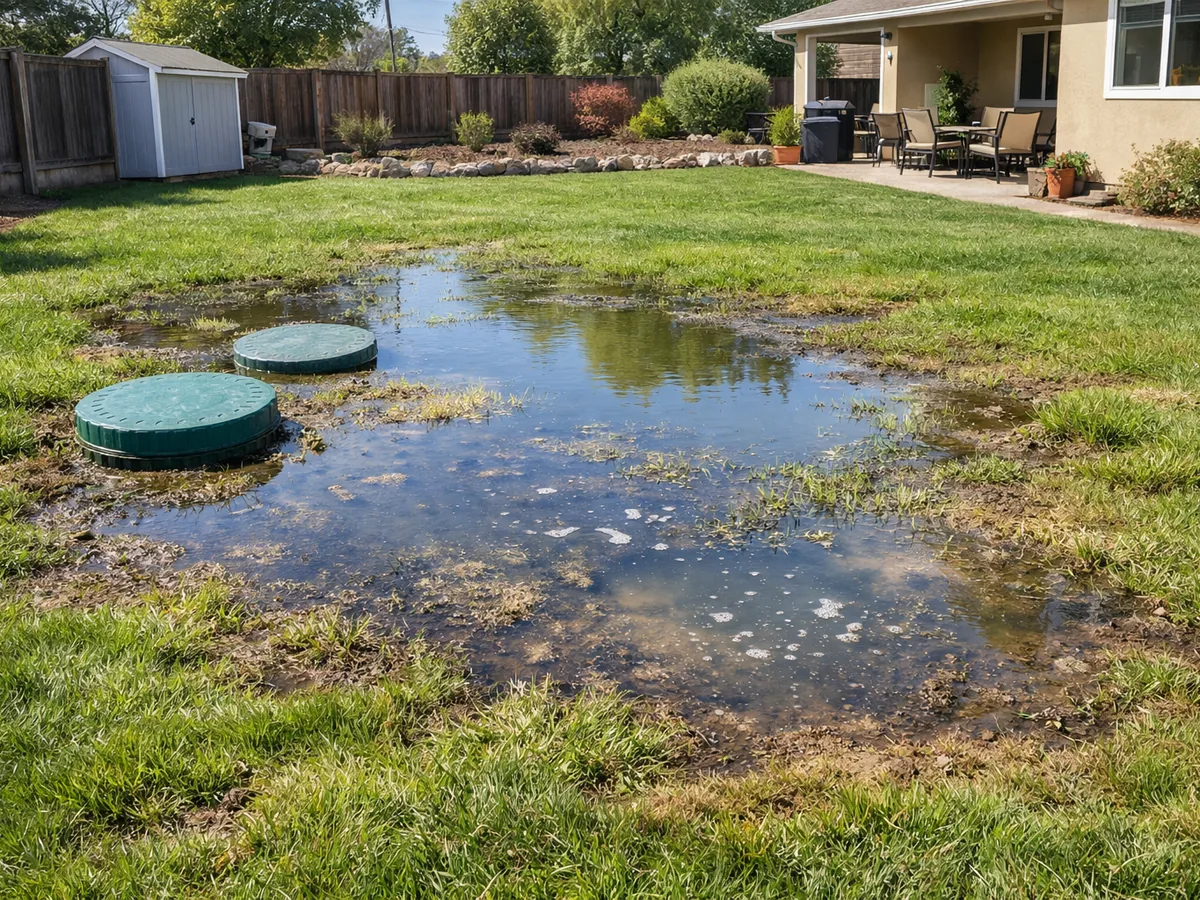
LMUD's guide also lists the warning signs of a failing system. Wastewater may back up into drains, or a strong odor may hang around the tank or drainfield. Other signs are spongy bright green grass on the drainfield in dry weather, and pooling water or muddy soil. If the drainfield floods, LMUD's advice is to cut water use until the surface is dry. Pumping before the area above the tank dries could float the tank out of the ground, the guide warns.
Communities and areas we serve around Lakeway: Old Lakeway, Live Oak Golf Course, Lohmans Crossing, Lakeway Boulevard, RM 620, Flintrock at Hurst Creek, Hudson Bend, The Hills.
Lakeway ZIP codes served: 78734, 78738.