What is an aerobic septic system, and why are there so many around Leander?
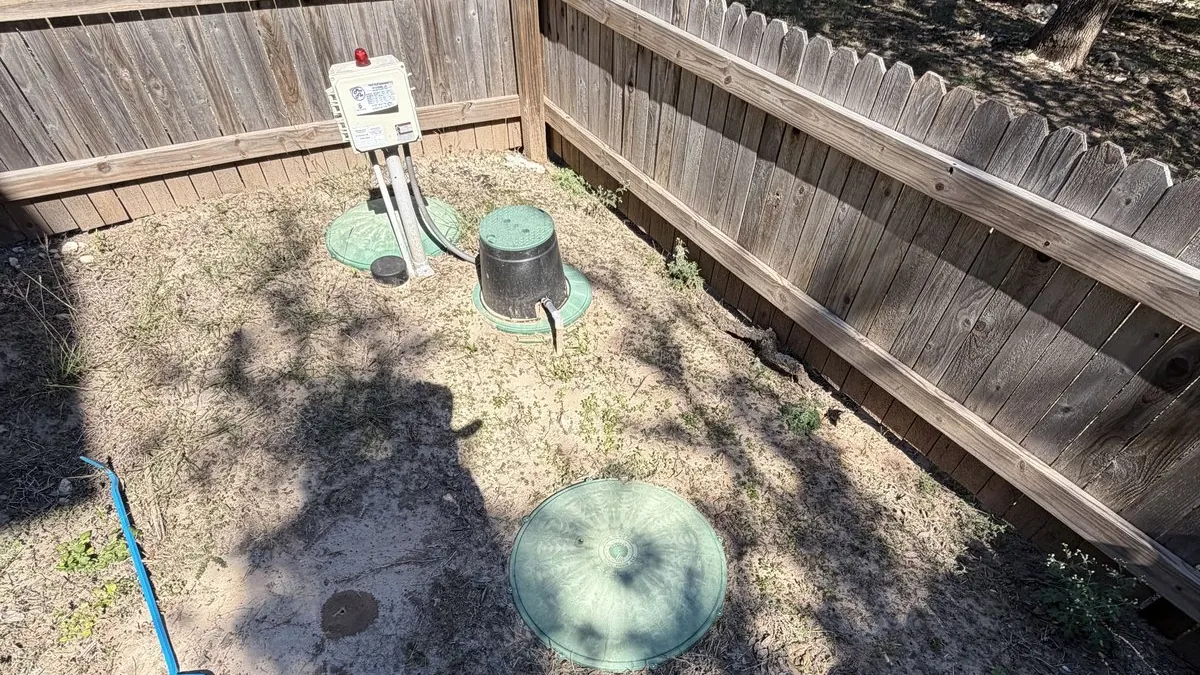
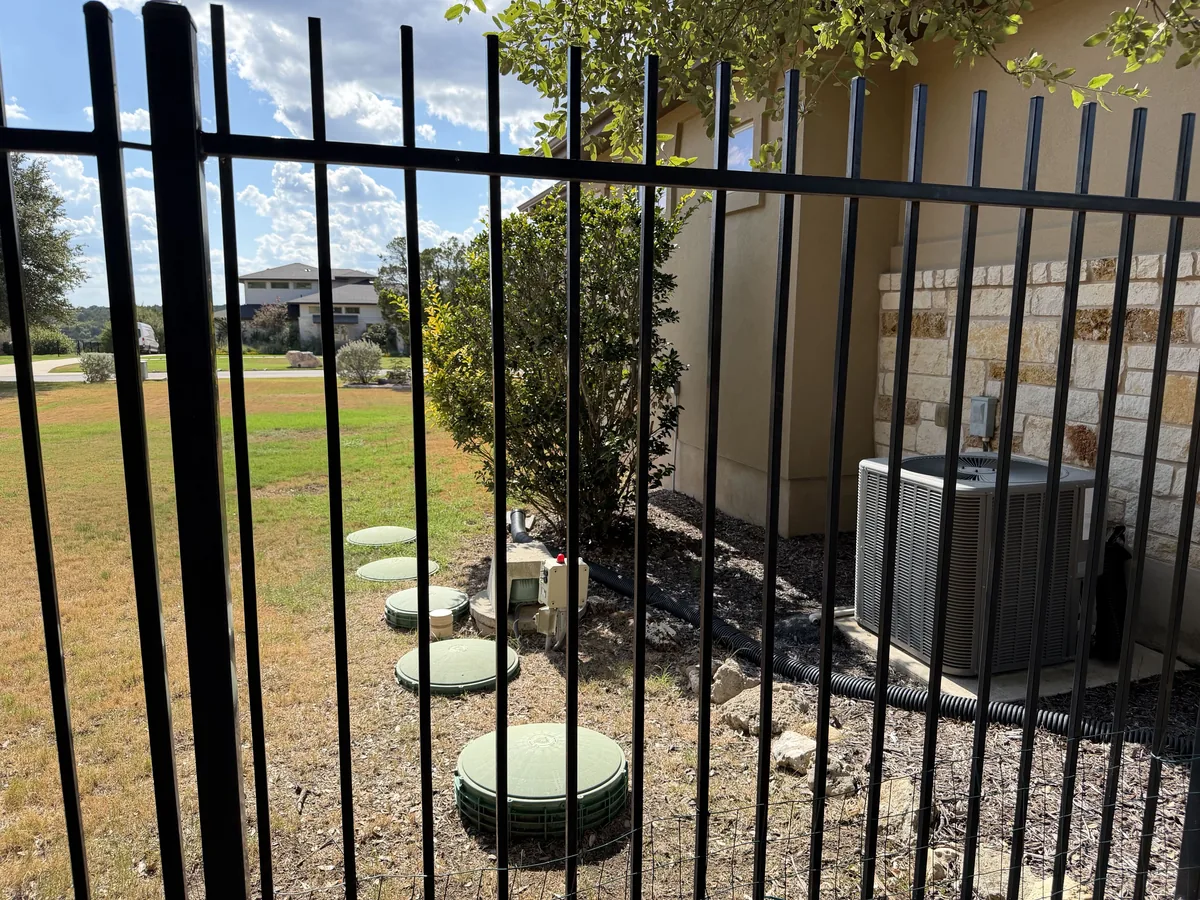
Wastewater usually enters a trash tank first, which holds back plastics and other solids that float or settle. In the aeration chamber, an air pump supplies oxygen for microbes that eat the waste. Next, a clarifier gives those microbes a place to settle out. Last, a pump tank doses the treated water to drip lines, or to spray heads once it is disinfected.
West of I-35 around Leander, much of the land is thin soil over Hill Country limestone. East of it, much of the ground is heavy Blackland clay. Williamson County's septic guide allows a standard drainfield only in suitable soil. Spray and drip systems typically need advanced treatment, such as an aerobic treatment unit, the guide says.
In TCEQ's 2025 report, 241 of the 490 new systems Williamson County authorized were spray systems and 139 were drip. Our guide to types of septic systems in Texas compares conventional and aerobic systems side by side.
How often does an aerobic septic tank need pumping?
It depends on how fast sludge builds up. For an aerobic unit, TCEQ ties the timing to the depth of sludge and the manufacturer's recommendations. For a conventional tank, it recommends pumping every three to five years. Texas A&M AgriLife Extension's general guideline for the trash tank is about every 2 to 3 years.
The trash tank fills with what floats or settles. Inside the unit, solids form a blanket on the bottom of the clarifier, and AgriLife says to remove them periodically. A unit that takes in more waste than it was sized for needs that more often.
We measure the sludge in each compartment before we pump. When the maintenance provider's report says the tanks need pumping, call (512) 887-4458. Sewage backing up into the house is an emergency septic service call, and urgent problems get priority on the schedule.
What aerobic system pump-outs include, and who handles the rest
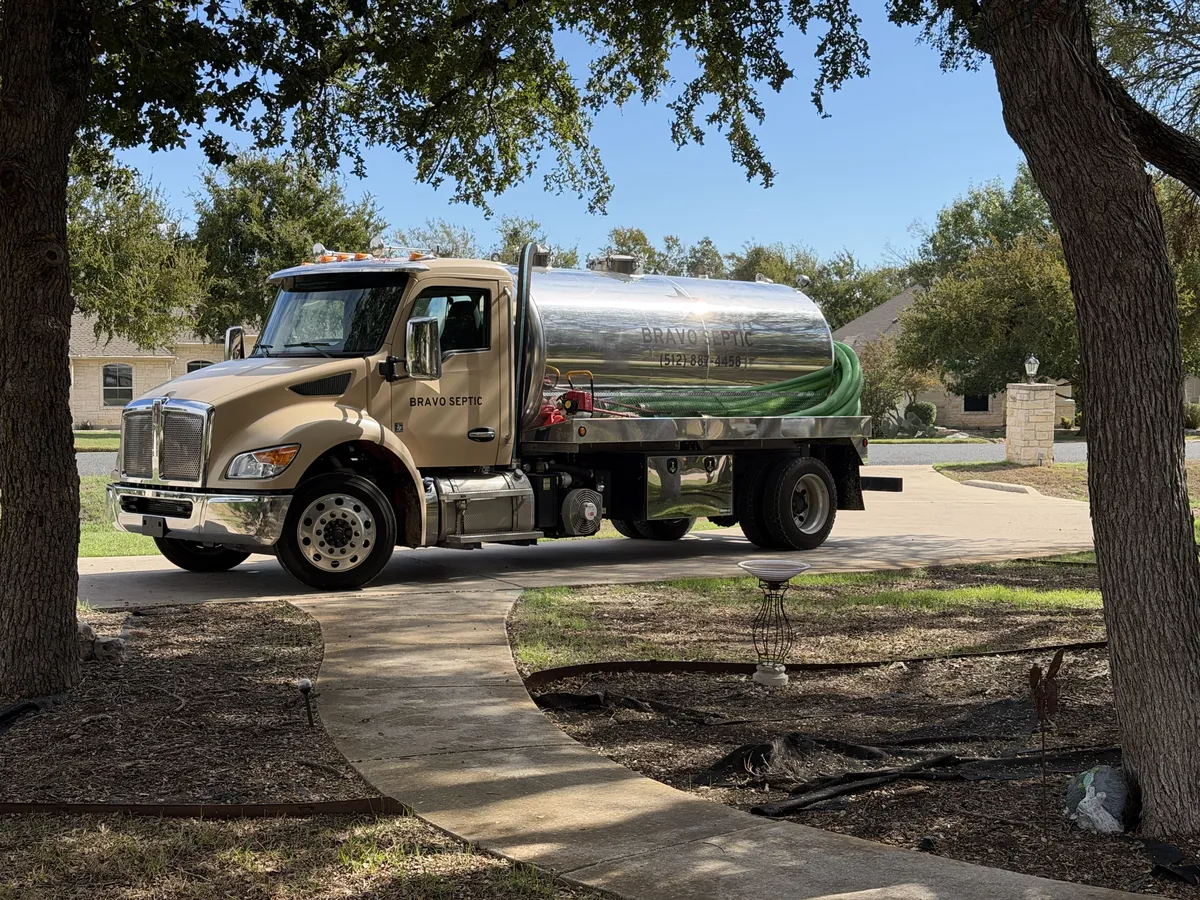
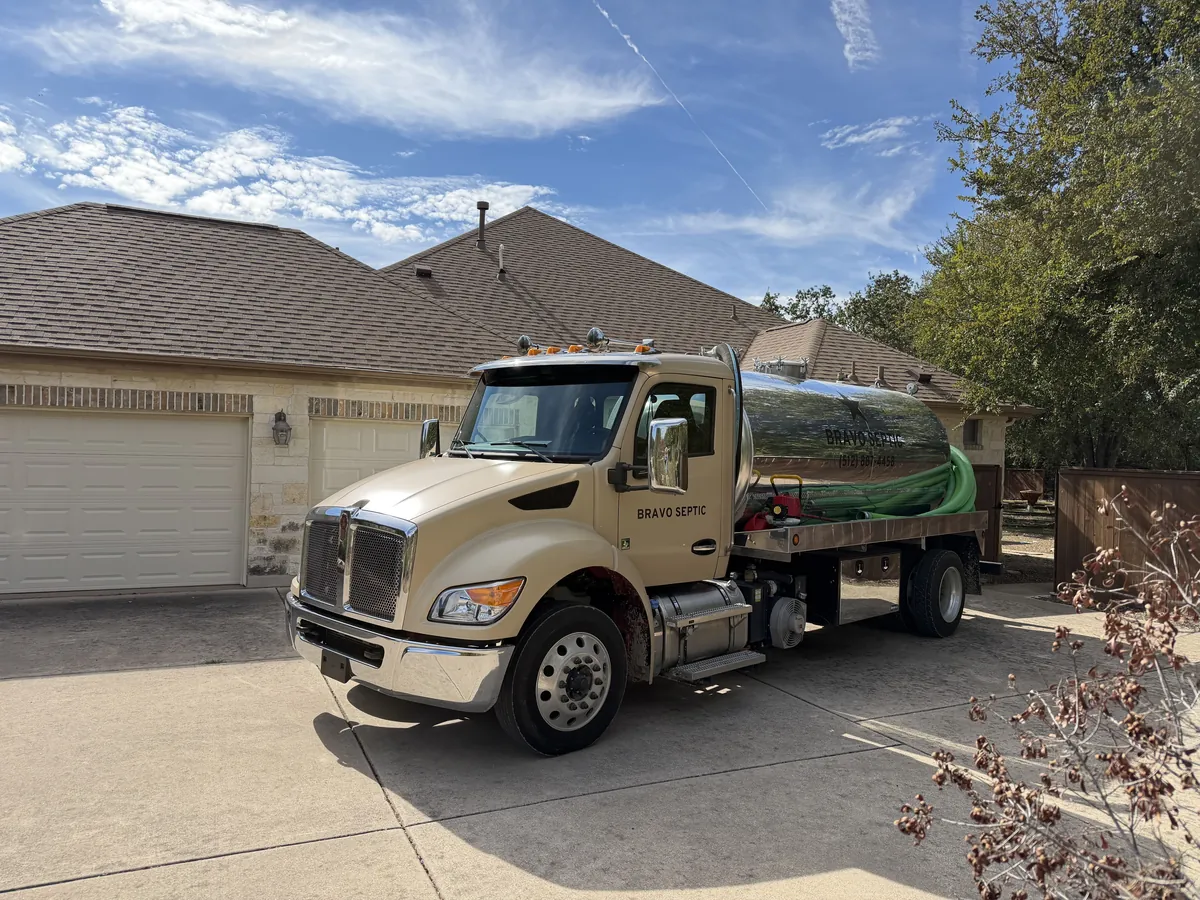
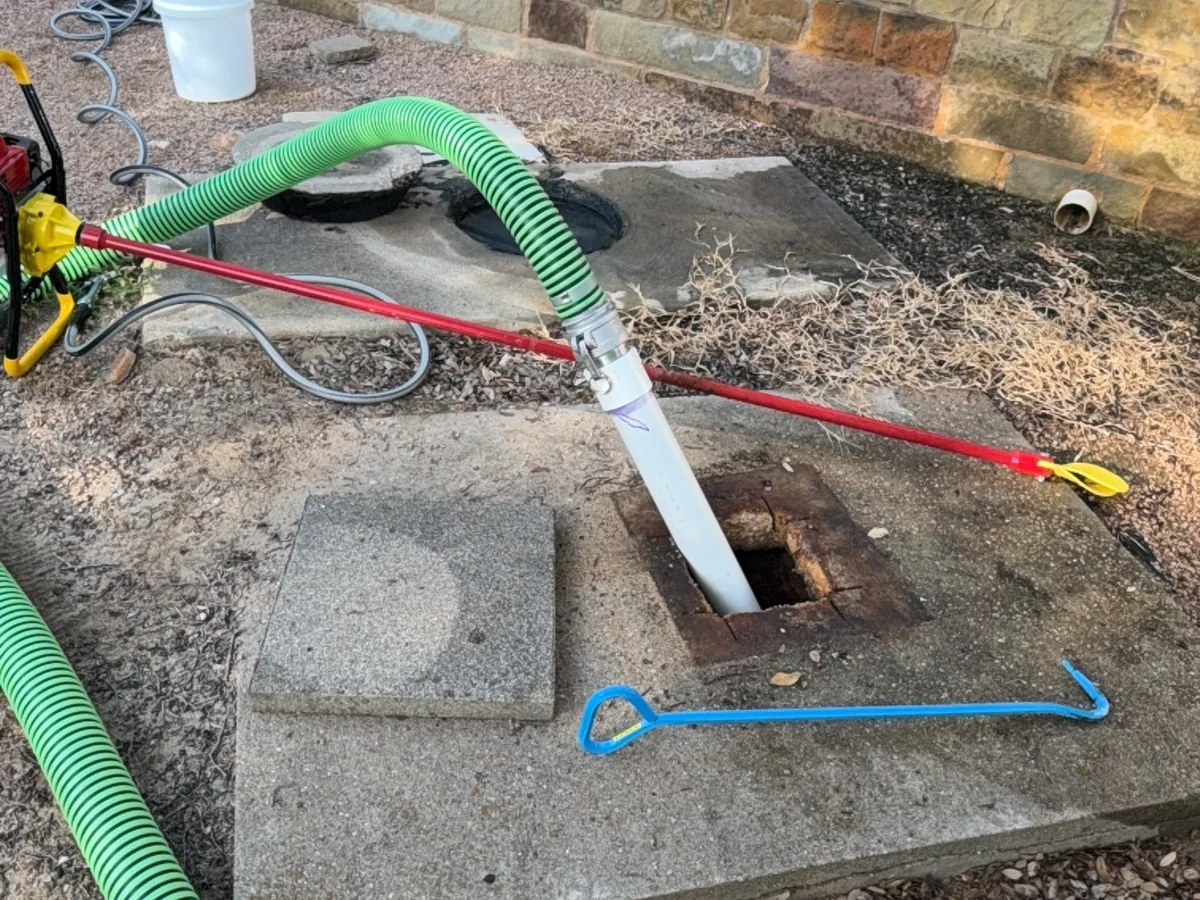
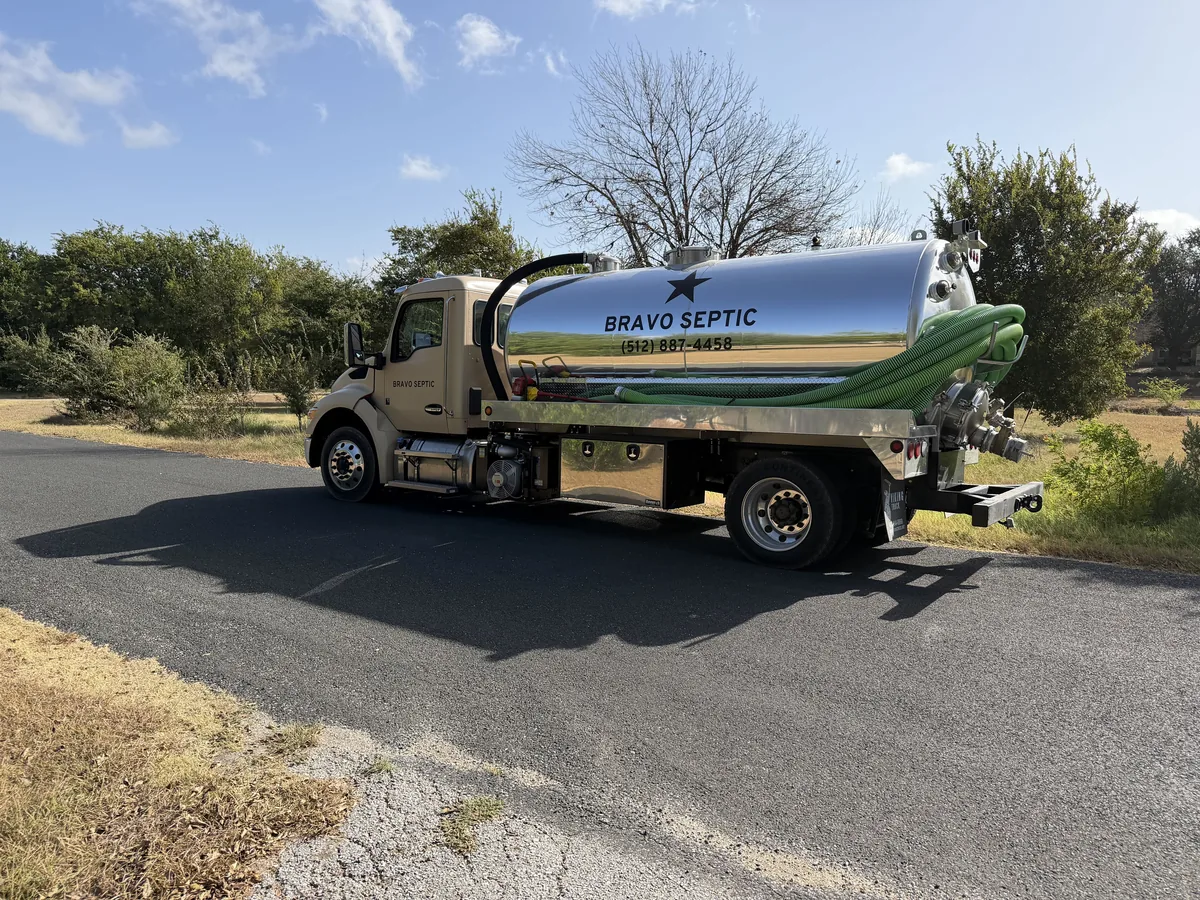
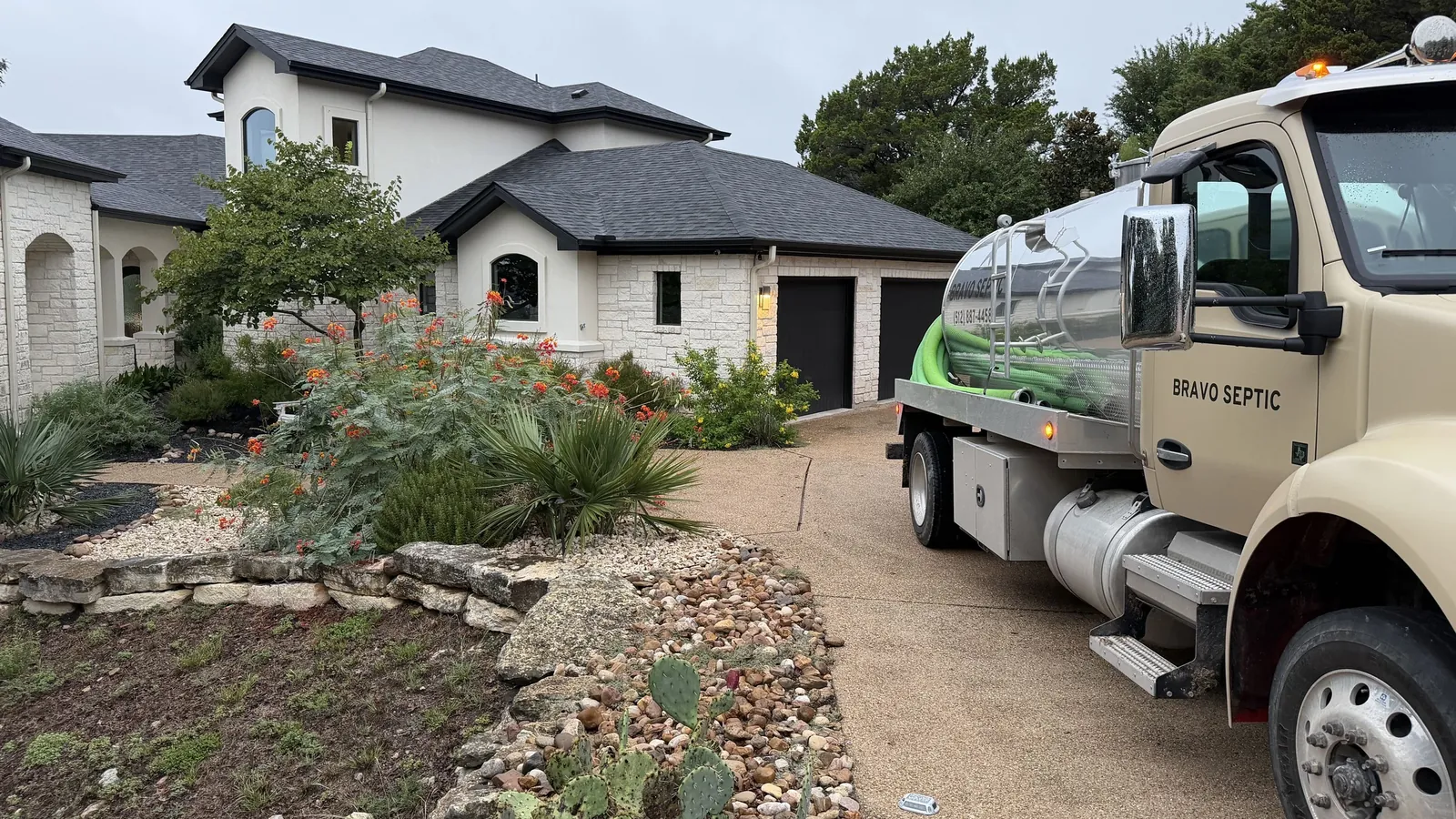
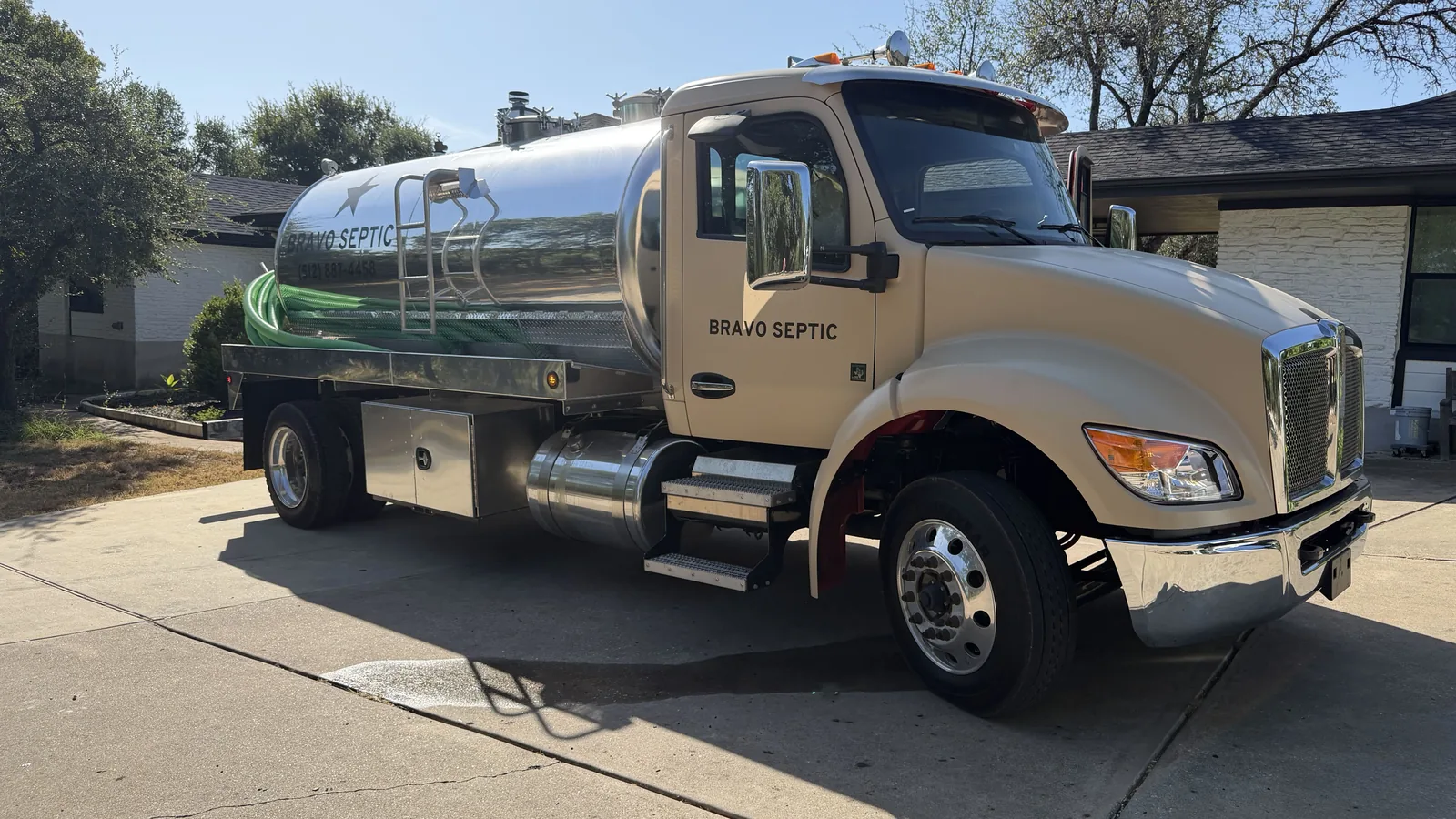
We open each lid, pump every compartment and clean the effluent filter if there is one. While the tanks are open we look at the inlet and outlet, and you get photos and a plain report. Bravo Septic is a TCEQ-registered sludge transporter, which Texas requires for hauling septage. At pickup, state rules have the transporter fill out a trip ticket and give you a copy.
The maintenance contract is separate from the pump-out. TCEQ says an aerobic system must be inspected by a maintenance company once every four months. It adds that the contract must be with a licensed maintenance provider. Williamson County lists a maintenance contract, an affidavit and possible disinfection as requirements for an aerobic unit.
The provider's side covers the aerator, the control panel and alarms, the spray heads and the reports. The maintenance contract also has to say who is responsible for maintaining the disinfection unit. A pump-out does not replace those visits. Two years after install, TCEQ lets homeowners do that maintenance themselves, though some permitting offices set stricter rules.