How Much Do Septic Tank Risers and Lids Cost in Texas?
Two national cost guides put septic tank riser installation at $200 to $400 per riser. A third lists $100 to $200 to add one during a pump-out, when the lid gets uncovered anyway.
A replacement tank lid runs $150 to $500 in two guides and $150 to $600 in another. These are market numbers, not our price list. The prices are national, and the rules that shape the job are Texas rules.
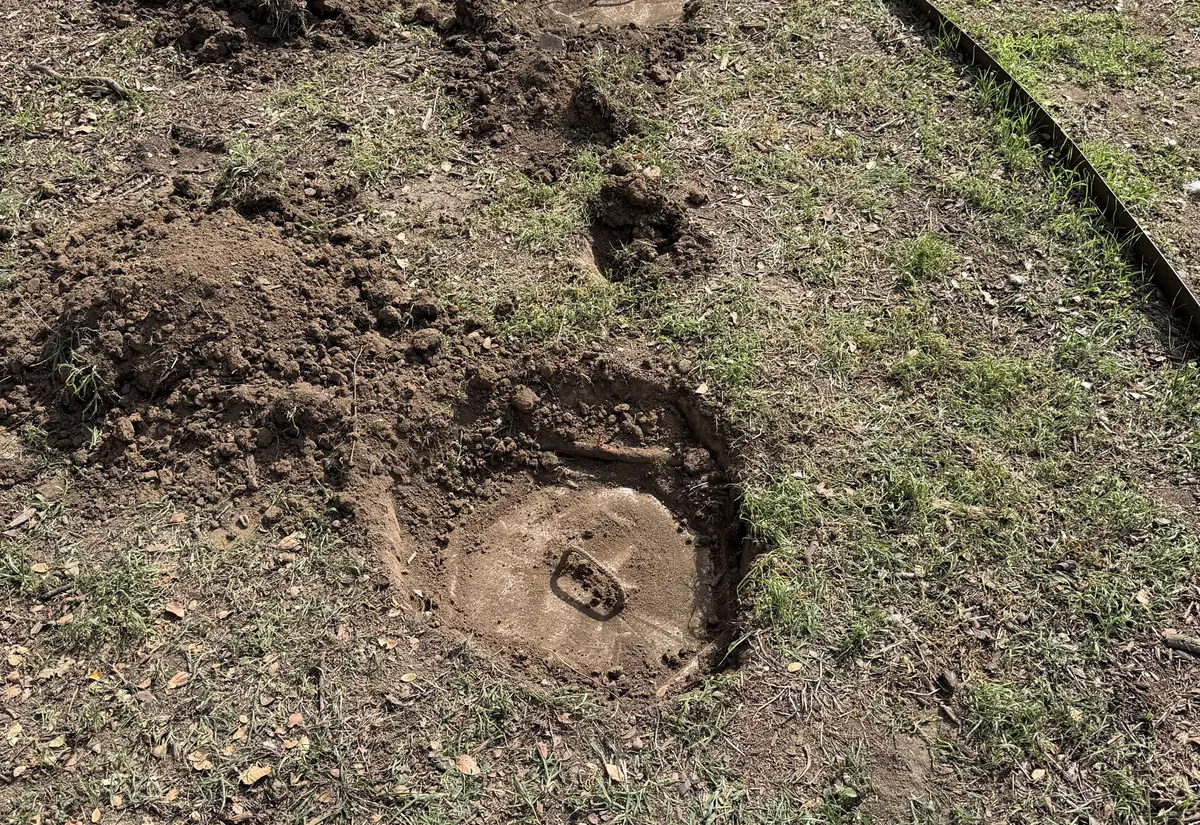
Septic tank riser cost climbs with how deep the lid sits and how many ports need a riser. Our septic tank risers and lids page covers how we bring a buried lid up to grade. Then there is no more digging at every pump-out.
What does septic tank riser installation cost?
The table pulls the riser and lid lines from four national cost guides. Your own job can land higher or lower.
| Item | National cost guide range |
|---|---|
| One riser, installed | $200 to $400 in two guides |
| One riser added during a pump-out | $100 to $200 in one guide |
| Two risers, for a tank with two ports | About $400 to $800, since one guide says two cost double |
| Riser kit you install yourself | $100 to $500 for the project, in one guide |
| Tank lid replacement | $150 to $500 in two guides, $150 to $600 in another |
Why the spread? The $100 to $200 figure is priced as an add-on to a pump-out, when the lid gets uncovered anyway. The other two guides list the riser install on its own line. That $200 to $400 line matches the riser row in our septic tank repair cost guide.
A kit does not save much on paper. The do-it-yourself project runs $100 to $500, which spans the whole $200 to $400 installed range.
How much does a septic tank lid replacement cost?
Septic tank lid replacement cost runs $150 to $500 in two national guides. A third puts it at $150 to $600, depending on the material. In that guide, concrete lids are the least expensive but are prone to cracking. Polyethylene and fiberglass-reinforced plastic lids cost the most but last the longest.
One guide notes that a riser can take the place of an old concrete lid. So a cracked lid on a buried tank is a good time to add a riser.
Does a concrete or plastic riser cost more?
Concrete usually does. One national guide says concrete risers cost more to install than plastic ones. The reason is their weight and the equipment the job takes. The same guide says plastic risers cost less and install more easily.
The tradeoff is strength. That guide gives concrete risers a 40-year life span. Plastic risers, in PVC or polyethylene, are lighter but can be crushed under soil.
Notice the flip: concrete is the low-cost lid in one guide and the high-cost riser in another.
What moves the price of a riser or lid job?
How deep the lid sits. One guide says risers measure eight to 24 inches. Texas wants the riser to end within six inches of the ground. A tank top 30 inches down needs at least 24 inches of riser, plus more hand digging.
The number of ports. Texas rules put an inspection port over the tank’s inlet and another over its outlet. A tank buried past 12 inches needs a riser on each port, and one guide says two cost double.
Adapters and seals. In one guide’s install steps, a base ring goes onto the tank opening, sealed with butyl rope. Texas wants the riser fastened to the tank lid or cast into the tank, with a watertight joint.
The ground around Leander. West of I-35, much of the ground is shallow rock. East of it, much of the ground is heavy clay. Either one can make digging around a buried lid slower work.
A cracked lid. Sometimes the old lid turns out to be cracked once it is dug up. Replacing it then adds the lid line, $150 to $500 or $600 in the guides, without a second dig.
Timing. One guide suggests adding a riser at the next maintenance visit, so the yard is dug up once. We do riser work while the tank is already open for septic tank pumping, so one visit covers both.
What does Texas require for septic tank risers and lids?
Under 30 TAC 285.38, a septic tank buried more than 12 inches deep needs risers over its port openings. Each riser runs from the tank surface to no more than six inches below the ground.
The cap has to keep people out. Risers carry removable watertight caps, protected against unauthorized intrusion. The rule accepts a padlock or a cover that can be removed only with tools. A cover of at least 65 pounds, set into a recess of the tank lid, also qualifies.
A second safeguard sits below the cap. A secondary plug, cap or restraint keeps anyone from entering the tank if the cap is damaged or removed.
The riser must be fastened to the tank lid or cast into the tank, and the joint must be watertight. Risers and caps that sit in the sun need ultraviolet light protection. Adding a riser to a new system counts as construction, and a licensed installer has to do it.
Lids and risers also sit on the state’s emergency repair list. Under 30 TAC 285.35, emergency repairs include replacing tank lids and repairing risers and riser caps. The person making the repair notifies the permitting office in writing within 72 hours of starting it.
Each of those rules adds a part or a step to the job. When you compare quotes, look for the secured cap and the safety plug.
When does a septic tank riser pay for itself?
A riser is paid for once, and the digging it replaces comes back at every visit. One national guide says without a riser, the septic company has to dig every time you need pumping or service. TCEQ recommends pumping a conventional septic tank every three to five years.
That guide says a riser pays for itself in the money saved on later inspections and maintenance. Our guide to septic tank pumping cost shows what a buried lid adds to a pump-out.
A riser can wait in one case. The same guide says a riser makes no financial sense when a new tank is a year or two away. If that is your tank, see what a septic tank replacement costs.
Is a cracked or missing septic tank lid an emergency?
Treat it like one. Texas allows emergency repairs to stop an immediate, serious and dangerous health hazard. Replacing a tank lid is on that list, and a cracked, broken or missing lid is a genuine safety hazard.
One national guide notes that a secure lid prevents accidental access to the tank. Another warns that opening a tank can release gases that may knock someone unconscious. Keep people and pets away from a damaged lid until it is replaced.
We replace cracked, broken and missing lids, and the new lid is secured. Call (512) 887-4458 and tell us the lid is damaged. Urgent problems get priority on the schedule.
How do you get a riser or lid quote around Leander?
Published ranges show the market, and your tank sets your number. Lid depth, the number of ports and the old lid’s condition all become clear once the lids are open. We quote the job before any work begins. The quoted price is the price you pay for the quoted scope.
If nobody knows where the lids are, septic tank locating comes first. If the tank needs more than a lid, our septic repair page covers baffles, filters and lines. Bravo Septic is a TCEQ-licensed OSSF installer based in Leander.
We work Williamson County, north and northwest Travis County and the north shore of Lake Travis. For the work itself, see our page on riser installation and lid replacement, or call (512) 887-4458.